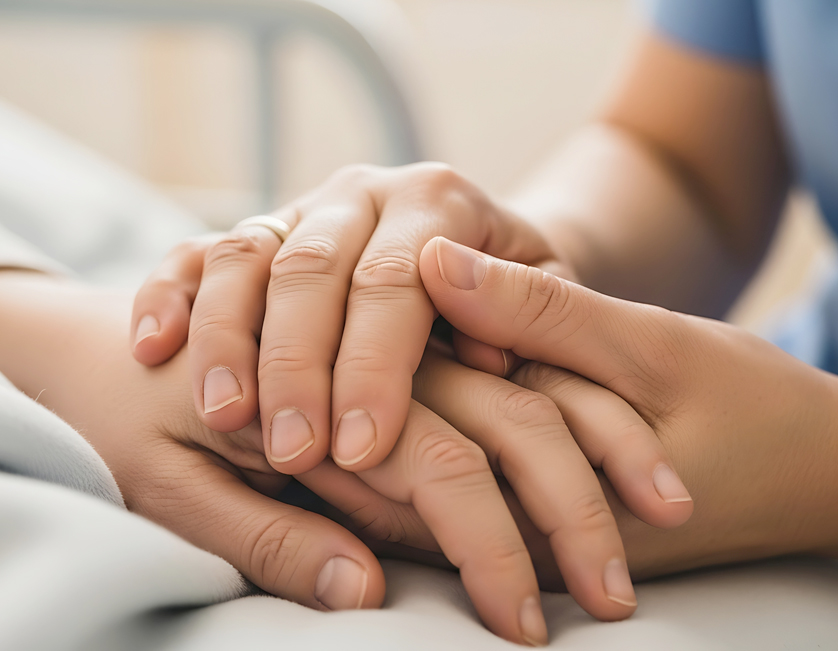
Upholding Dignity in Healthcare – Dr. Lipika Patra, Meerut Every person holds intrinsic worth, regardless of background, achievement, or social standing. In clinical encounters, patients often feel vulnerable, anxious, or afraid. In our daily practice, unconscious biases can often slip quietly into our work. Patients familiar to us may unintentionally receive preference, while those from…
Read MoreOpportunities and challenges in teaching Palliative Care to nursing students – Dr. Latha Srikanth, Jodhpur INTRODUCTION When we talk about palliative care, we usually think of comfort, dignity and the small but meaningful ways in which we can ease a person’s suffering. It is not only about controlling pain or symptoms, it is also about…
Read MoreA Global Circle of Care: How WhatsApp is Changing Palliative Nursing! Together, Connected, and Never Alone… – Mr. Sachin Dwivedi, Rishikesh In the quiet moments of a hospital ward or a remote clinic, palliative care nurses often face some of the most challenging situations in healthcare. Yet across the globe, a new kind of support…
Read MoreExtending Compassion to the Mountains: A Journey into Palliative Care in Ladakh – Dr. Rinchen Dolma, Union Territory of Ladakh Introduction In my years of practice as an Anaesthetist, I always carried a silent desire — to do something meaningful in the realm of pain management. Anaesthesia, by its very nature, deals with relieving pain.…
Read MoreAchieving the promise – Dr. M. R. Rajagopal, Thiruvananthapuram The theme of the World Hospice and Palliative Care Day this year is “Achieving the promise: universal access to Palliative care”. A noble goal, no doubt. Universal Health Coverage (UHC), a global goal under the UN sustainable development goals (SDG), is supposed to be achieved by…
Read MoreFrom Paper to Patients: Why India must put Palliative Care Policies into Practice – Ms. Smriti Rana, Thiruvananthapuram Only 4% of India’s population has access to palliative care. Many of the right ideas have already been written into policies: the National Programme for Palliative Care (NPPC, 2012), the National Health Policy (2017) that recognizes palliative…
Read MoreClinical Therapeutic Communication (CTC) in Oncology: Translating Pain into Perspective – Dr. Ravi Kiran Pothamsetty, Madurai In the world of oncology, words are not merely tools for conveying information — they are instruments of healing. Whether it’s the moment a diagnosis is shared, a quiet reassurance offered to an anxious caregiver, or the heavy silence…
Read MoreThe Language of Care: Evolving Palliative Nursing to Meet Universal Challenges – Ms. Anu Savio Thelly, United Arab Emirates Palliative care nursing must develop a “public” language—one free from the technical jargon of our profession and designed for open conversations about the universal problems faced by our society. This shift is not just a matter…
Read MoreRealising compassion in people and communities: A step towards universal access to palliative care – Ms. Heather Richardson, London Introduction This paper originally had the title “Empowering people and compassionate communities.” I love the sentiment, and it would have been easy to put pen to paper, writing in an enthusiastic way about ideas to help…
Read MoreWorld Hospice & Palliative Care Day 2025 – Achieving the Promise: Universal Access to Palliative Care – Dr. Stephen Connor, Virginia, USA This year we celebrate the 20th anniversary of World Hospice & Palliative Care Day (World Day). What started as ‘Voices for Hospice’ concerts around the world turned into a day to recognise hospice…
Read More