


Beyond the Hospital: A Nurse’s Vision for Community-Led Palliative Care in India
– Ms Meheli Chakraborty, West Bengal
“You matter because you are you.”
The words of Dame Cicely Saunders are a powerful reminder of our value as nurses. Our worth is not just to ourselves, but to the community we serve. With qualifications as a social worker, nurse and physician, Dr Saunders’ unique perspective inspired the concept of “total pain”; the recognition that suffering is multi-dimensional.
When we first start our nursing journey, we learn that nursing is a combination of art and science. After fifteen years in the field, I have come to realise that nursing is more of a unique blend of intuition, technical skills and compassion. We use our hearts to heal the whole person rather than just their physical body.
As nurses our education takes us on a journey through diverse disciplines that help us understand the complexities of each patient’s humanity. Through a holistic approach we can provide truly personalised care that addresses the physical, emotional, social and spiritual needs of our patients. We are privileged to have the opportunity to make a positive impact on the lives of those we touch. We matter because we are us and that is what makes our work as nurses so vital.
Working in a big hospital with so many specialties really opened my eyes to how things work. I saw how different teams think and make decisions, and that while it can be uncomfortable, it is crucial to bring up palliative care at the appropriate time.
Understanding how all the disciplines work together is vital when you are trying to get teams focused on patient care rather than simply curing them. This important shift in mindset is critical for providing the best care possible: palliative care is not about curing disease but elevating care to relieve total suffering.
In India we are at a juncture where philosophy needs to meet the realities of our context, culture, and resources. Our uniqueness is that we are not a single culture, but a diverse tapestry of many cultures with each state having its own distinct language, communication style, spiritual beliefs about life and death, family structures, and caregiving roles.
The way people cope with dying and bereavement varies from one place to another. For example, the person who takes on the primary caregiving role may not have the authority to make key decisions due to limited financial control. This can lead to complex situations where the caregiver has no voice, despite their intimate involvement in the care process. As we navigate these complexities, it is essential that our understanding of care, illness, and death are informed by these diverse cultural nuances. By acknowledging and respecting these differences we can create a more inclusive and compassionate approach to caregiving in India.
There can be no one-size-fits-all approach when we consider palliative care in India. Culture cannot be an afterthought but must be a fundamental consideration in the treatment process.
In the hospice context, staff carry immense emotional weight as they work in teams facing unique stressors across varied settings such as hospital outpatient areas and day care, inpatient care, and community visits. Healthcare burnout is increasingly prevalent due to high patient loads, limited workforce, low salary, emotional fatigue without structured reflection, and lack of institutional psychosocial support.
A good leader will both protect and care for their team, nurturing them through harms whether they be physical, emotional, social, or spiritual. Such leadership empowers our most valuable resource to continue to be compassionate, reducing the risk of burnout.
As a clinical nurse working in an administrative role my experience and training assist the team to quickly get to the root of a problem, keeping them on track and ensuring that clinical leadership is patient-centred rather than system-centred.
India is struggling with capacity to provide palliative care to its people. With the country’s huge population ageing and more people suffering from serious illnesses like cancer and organ failure there just are not enough doctors trained to provide the kind of care that these patients require. Further, most people live far away from big hospitals, and many are too weak, too poor, or have too many family responsibilities to travel back and forth for treatment.
Reliance on a system in which only doctors can provide palliative care means it is only available to those who live in cities and have the resources to access it. Many people are without the care they need, and that is not fair. We must find ways to make palliative care more widely available, providing everyone with access to the support they need irrespective of where they live or how much money they have.
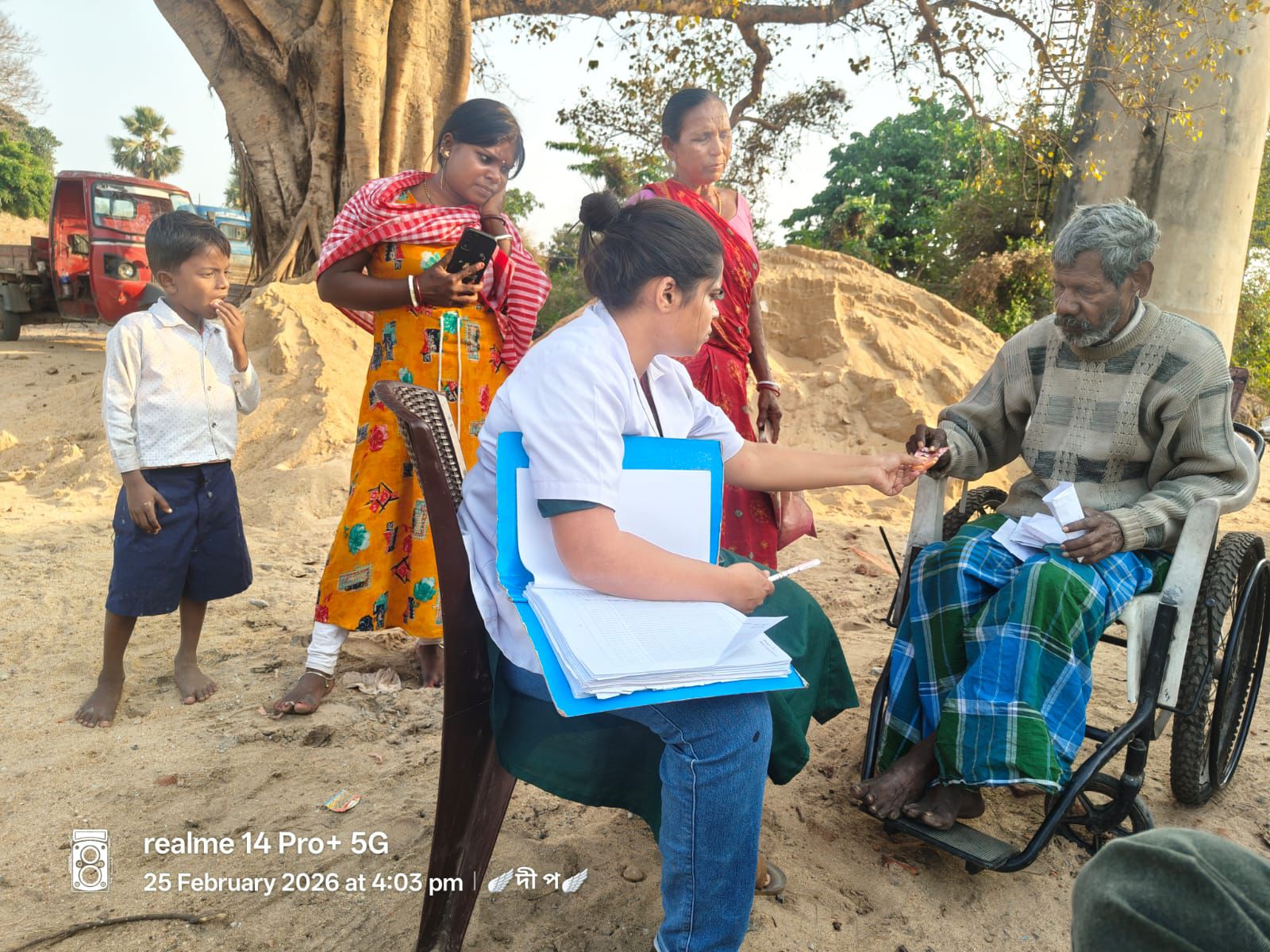
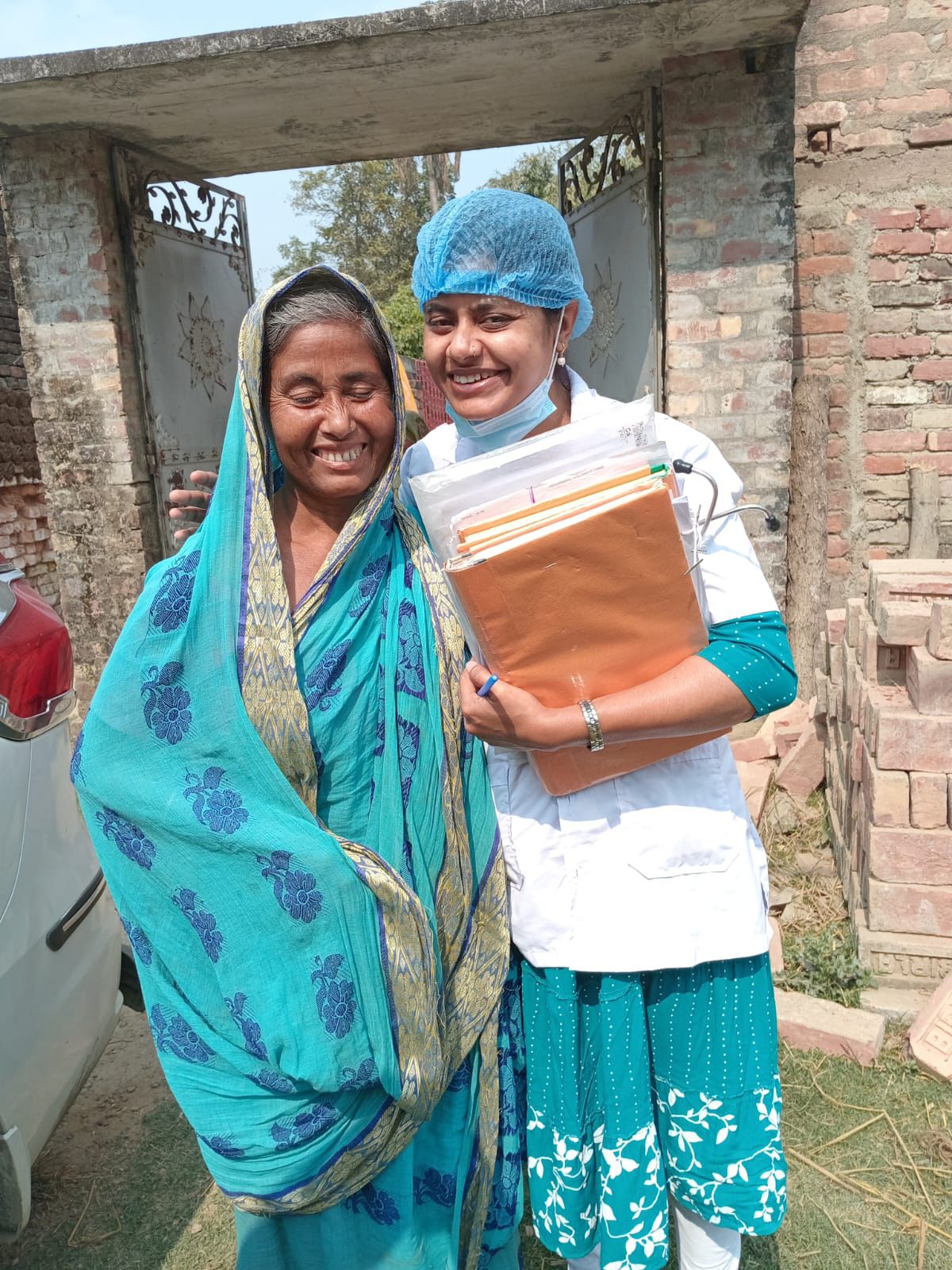
The future of Indian palliative care must shift from institution-based care to community-embedded care. Serious illness unfolds at home, within families, cultures, and neighbourhoods. Care must, therefore, go to the patient, not the other way around. Nurse-Led Home-Based Palliative Care (NLHBPC) should be at the centre of a scalable approach to palliative care in India. In this model specially trained nurses can assess symptoms, manage pain, provide wound and medication care, counsel families, and identify psychosocial distress.
Nursing education prepares practitioners to think holistically making them ideal leaders in the community palliative health care sector. Social workers provide a range of support to patients and their families including financial advice, self-care, education about available programs, emotional support and connecting people with their community.
Together the nurse and social worker form a powerful team, taking care of the whole person: body, mind, and spirit. This team approach is a complete solution to the multitude of challenges faced by the patient and their family, and it is delivered in a practical way.
With India’s crowded neighbourhoods and semi-urban areas, it is easier to move around with two-wheel vehicles, like scooters or bikes, rather than ambulances. Like couriers can deliver parcels right to your doorstep, the speed and efficiency of palliative care teams using two-wheelers reaches patients faster and saves money on operating costs. Even in the narrow streets and rural areas that are hard to access they can also see more patients every day.
Doctors remain essential consultants, rather than gatekeepers, and through scheduled tele-consultations nurses can discuss complex cases, adjust treatment plans, and escalate as required. Medical oversight is retained while reach is expanded. The intelligent redistribution of medical expertise ensures standards are maintained while applying prudence in human resource allocation.
India produces large numbers of nurses and social workers and increasing their training in palliative care will multiply access across the country, increase early intervention and reduce the need for costly hospitalisations. It will be decades before such impact could be achieved through increasing numbers in physician training.
Throughout India families are the primary carers and NLHBPC supports them rather than replacing them. The NLHBPC model also is a perfect-fit with the country’s geography and economy. If we empower nurses and other healthcare workers to provide care in people’s homes and communities, we can provide a care system that is truly Indian and genuinely supports our values and culture.
Dr Saunders gave the world a vision for hospice and our responsibility is to adapt it meaningfully to India’s socio-cultural and resource environment. We must empower a community driven, nurse-led model that is clinically sound, culturally sensitive, resource-conscious, and compassionately sustainable.
As nurses in leadership, we see more than the patient: we see the person, the family, the story, and the suffering that cannot be measured by clinical scales alone. Palliative care is not simply a medical discipline; it is a philosophy for care. This philosophy must inform our practice and help us build a care system that feels truly Indian.
About the Author:

Meheli Chakraborty is the CEO and In Charge of Quality Management at Ruma Abedona Hospice. She is a Registered Nurse with a National Fellowship in Palliative Nursing and a Quality Management Fellowship. She is currently pursuing an MSc in Palliative Medicine from Cardiff University. An EPEC trainer and faculty member with IAPC and the National Palliative Care Program under NHM, she has received several awards, including recognition from the Royal College of Medicine in the United Kingdom in 2025 for professional communication. Her interests include grass root palliative care, bereavement and end of life care, wound and lymphedema management, staff burnout, quality assurance, and advocacy for strengthening palliative care in West Bengal.


Leave a comment