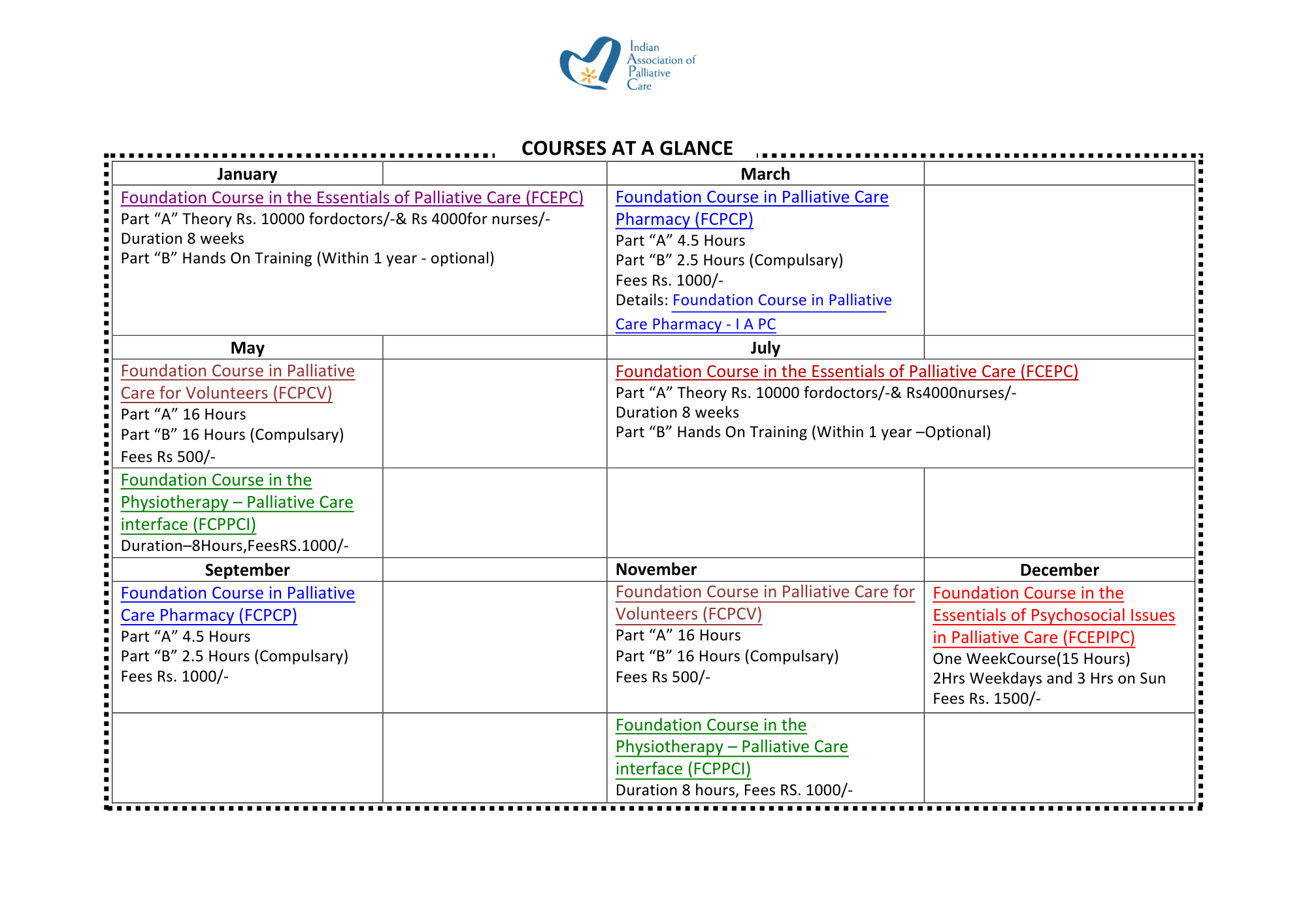
Education and Training
Announcing the IAPC Fellowship in Home and Hospice Palliative Care (IAPC-FHHPC)
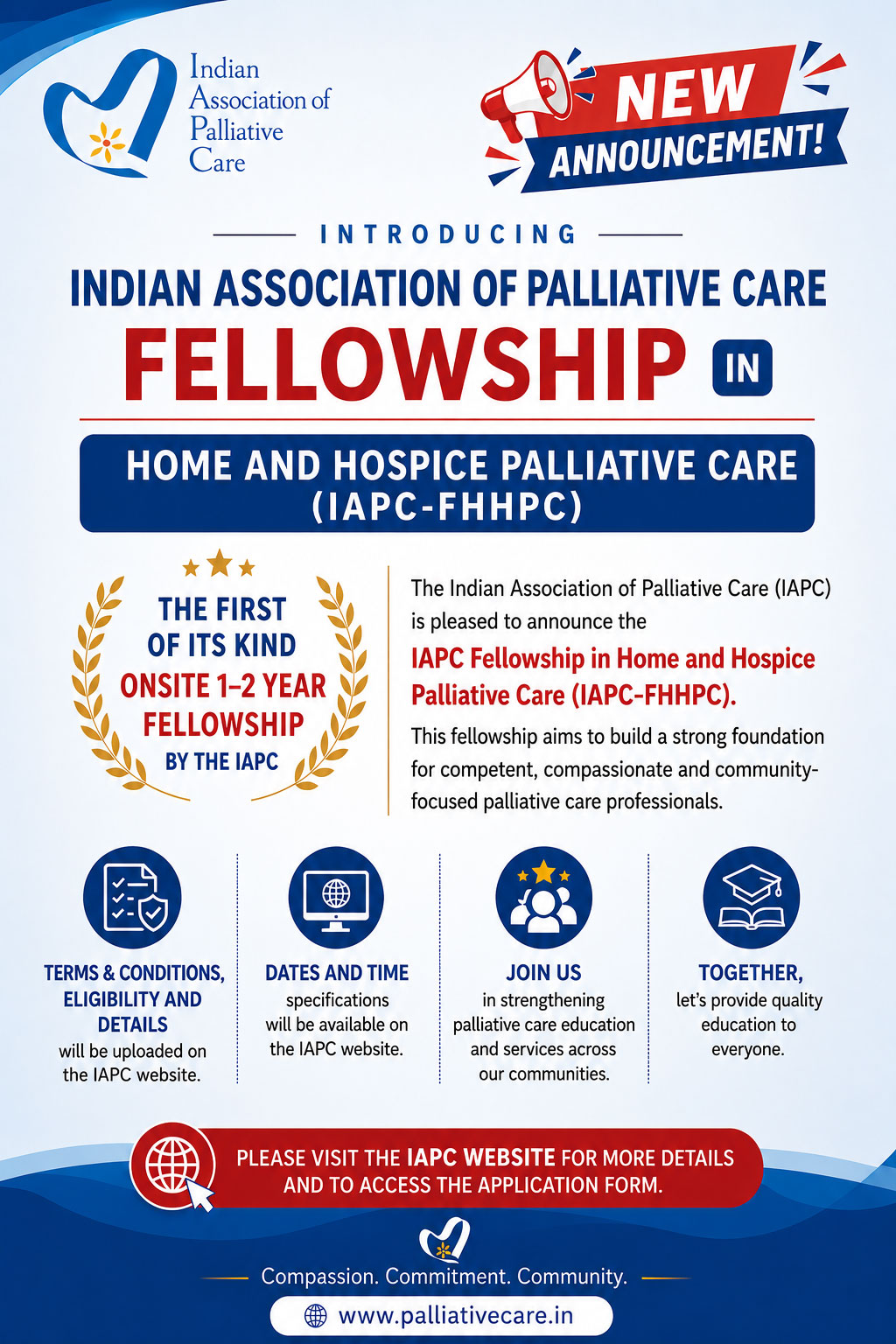
Building Excellence in Community-Based Palliative Care
The Indian Association of Palliative Care (IAPC) is pleased to announce the launch of its first on-site Fellowship in Home and Hospice Palliative Care (IAPC-FHHPC).
This fellowship has been developed to strengthen the knowledge, clinical skills, and leadership of healthcare professionals providing home-based and hospice palliative care across India. The programme aims to build a network of competent, compassionate, and community-focused palliative care practitioners while supporting training centres committed to excellence in education and patient care.
The Fellowship has received an overwhelming response from centres across the country seeking accreditation as fellowship training centres, reflecting the growing commitment to advancing home and hospice palliative care in India. The selected centres will be informed by 11th July 2026.
The tentative date for commencement of the first fellowship batch is 1st August 2026.
The inaugural batch will be conducted as a transitional batch from 1st August 2026 to 31st July 2027. Thereafter, all subsequent fellowship batches will follow the standard academic calendar, running annually from 1st February to 31st January.
Click here to read details of the course.
Last Chance to Apply for the IAPC’s Foundation Course in Essentials of Palliative Care

Admissions Close on Friday, 3rd July, 2026
Applications are invited from Doctors and Nurses for the IAPC’s ‘Foundation Course in the Essentials of Palliative Care’, July 2026 batch.
This basic course in palliative care is intended for doctors and nurses, aiming to integrate the principles of palliative care in everyday practice, enhancing patient care through proper communication and management of difficult symptoms.
This course will be delivered as two components:
- Part A: A mandatory online theory ‘Part A’ component, and
- Part B: A practical hands-on ‘Part B’ component (recommended but optional).
The completion of both Part A and B will help the Doctors to procure RMI Status for the medical institution where they work fulltime. The RMI licence is essentials for procuring and stocking NDPS drugs.
Part A: Online theory sessions
The theory sessions have been scheduled outside regular working hours to accommodate professionals’ busy schedules and enhance the participation.
Select Clinical sessions will be held separately for Doctors and Nurses.
Eligibility and Course Fee
- Doctors (MBBS/BDS), Rs. 10, 000
- Nurses (BSc Nursing/ GNM), Rs. 4000
Part B: Practical hands-on sessions
Eligibility
- Candidates scoring a minimum 50% marks in the final theory examination for FCEPC and 50% in the assignment will be eligible to proceed for Part B Clinical Posting- 10 days Hands on Training – at an IAPC authorised course centre.
Fee
- There is no additional fee payable to the IAPC for Part B clinical posting. However, course centres may levy a nominal fee for the clinical posting as per their institutional policy. Candidates may contact the respective centres directly for detailed fee information.
Last Date for application submission: The last date to submit applications for the July 2026 batch of Foundation Course in Essentials of Palliative Care: Friday, 3rd July, 2026
Application Portal: For further details about the course and to submit e-applications, please click here.
65 Clinicians Successfully Complete IAPC’s Foundation Course in the Physiotherapy–Palliative Care Interface
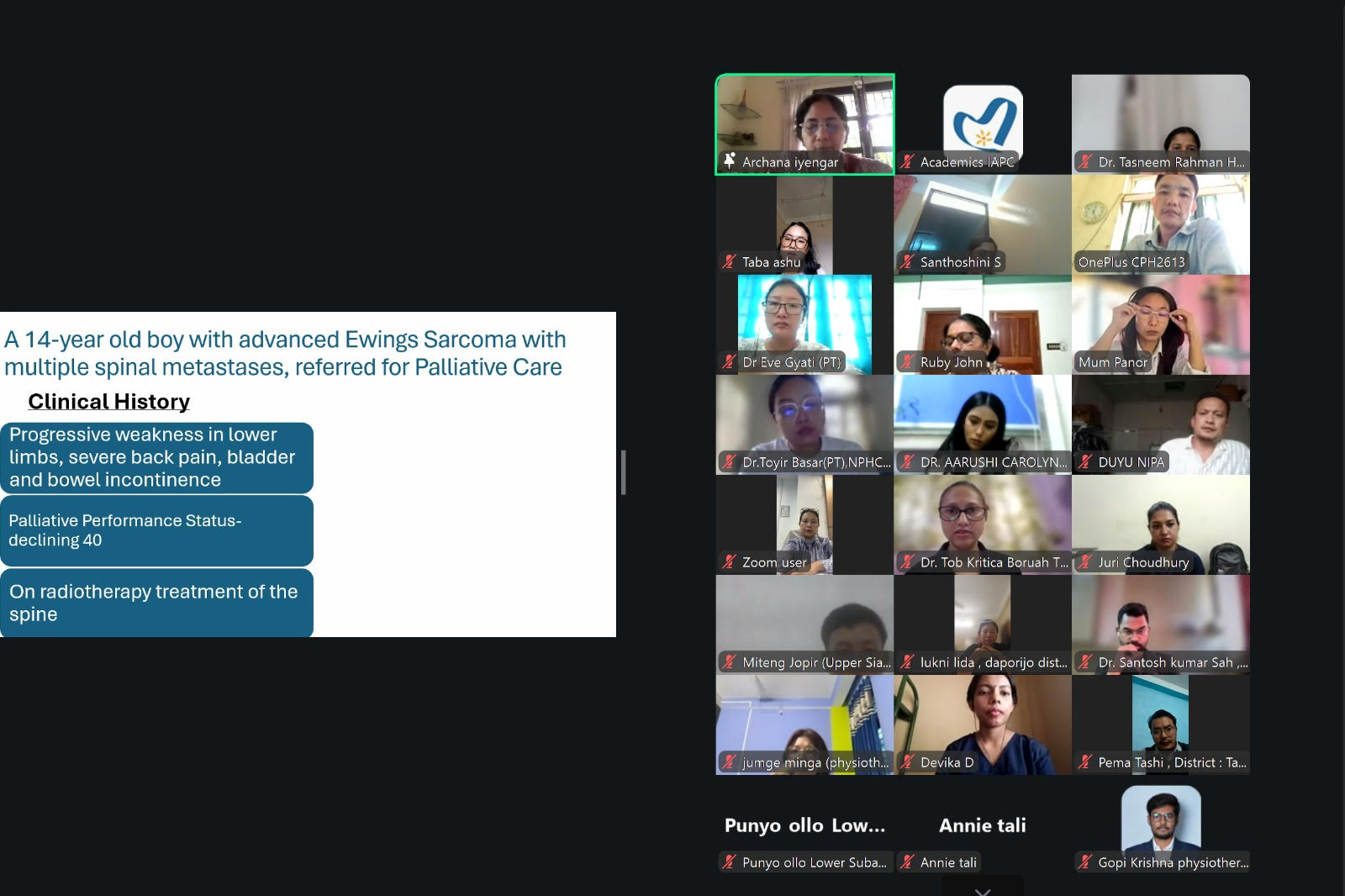
Sixty-five enthusiastic healthcare professionals from across India, participated in the 9th batch of the IAPC’s Foundation Course in the Physiotherapy–Palliative Care Interface, held on 26–27 June 2026.
The course aims to enhance physiotherapists’ understanding of their role in delivering holistic palliative care while also educating the wider palliative care community on how physiotherapy can strengthen patient care, improve symptom management, and enhance quality of life.
The sessions were highly interactive, providing participants with opportunities to engage with faculty and one another through enriching discussions and shared learning experiences.
IAPC extends its sincere gratitude to the Course Chairs, Dr Meenakshi V.V. and Dr Thendral Edwin, as well as to all the faculty members for their invaluable contributions and continued support in making the programme a success. We also thank all the participants for their enthusiastic engagement throughout the course.
A special congratulations to Dr Tashi Chotton (State Nodal Officer, National Programme for Palliative Care, Arunachal Pradesh), for facilitating the participation of 44 physiotherapists from the government sector in Arunachal Pradesh, significantly strengthening the state’s capacity in physiotherapy and palliative care.
4th Cohort of the ‘Advanced Nursing Skills in Palliative Care’ Began on 16th June 2026
The Academy of Palliative Medicine (APM) successfully commenced the 4th cohort of its ‘Advanced Nursing Skills in Palliative Care’ (ANSPC) program on 16th June 2026, with an orientation session held from 6.30 p.m. to 7.30 p.m.
A total of 38 nursing professionals has embarked on this six-month learning journey designed to strengthen their knowledge and skills in delivering comprehensive palliative care to individuals living with life-limiting illnesses and their families.
The orientation session began with a welcome address by Dr Geeta Joshi (President, Indian Association of Palliative Care). Ms Sangeetha M (Course Coordinator) provided a comprehensive overview of the program structure, curriculum, and learning expectations. This was followed by an orientation to the Learning Management System (LMS) by Ms Sharmila Santhosh (Administrative Officer, APM), introducing participants to the digital platform that will support their learning throughout the program. The session concluded with participant introductions and an interactive question-and-answer session.
We extend our best wishes to all the participants for an engaging, enriching, and rewarding learning experience over the next six months.
IPM and CMAI invite applications for One Year National Fellowship in Palliative Medicine/Nursing
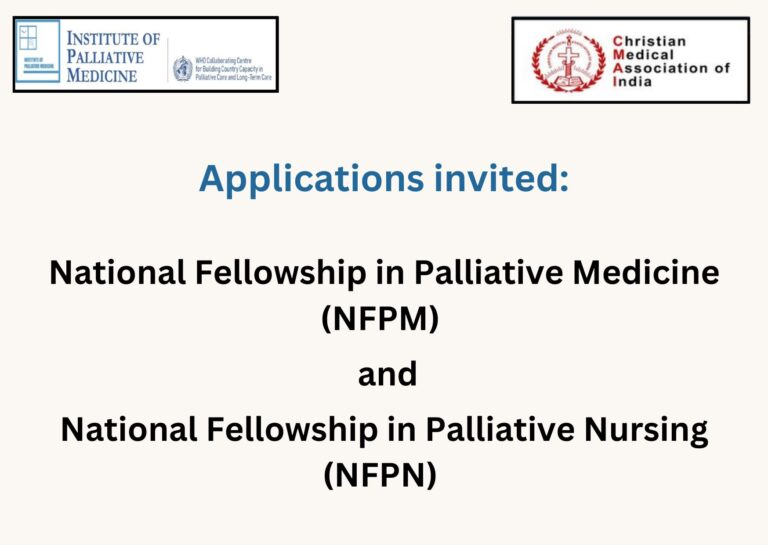
The Institute of Palliative Medicine (IPM), in collaboration with the Christian Medical Association of India (CMAI), invites applications for the 2026–2027 batch of the National Fellowship in Palliative Medicine (NFPM) and the National Fellowship in Palliative Nursing (NFPN).
The NFPM programme is designed to equip doctors with the knowledge, clinical competencies, and professional skills required to provide high-quality palliative care. It also offers new insights and perspectives that positively influence their approach to the practice of medicine.
Eligibility: Candidates with an MBBS or BDS degree recognised by the National Medical Commission (formerly the Medical Council of India) or the Dental Council of India, who have completed a one-year compulsory internship, are eligible to apply.
The NFPN programme aims to equip nurses with advanced knowledge and professional skills in palliative care nursing, enabling them to deliver high-quality, person-centred palliative care. The programme also seeks to transform participants’ outlook from a medicine-centric approach to a person-centric approach, empowering them to become equal partners within the multidisciplinary palliative care team.
Eligibility: Candidates with a General Nursing and Midwifery (GNM) Diploma or a BSc Nursing degree recognised by the Indian Nursing Council are eligible to apply.
Click here for further details about both programmes.
The last date to submit applications: 31st July 2026.
Three-Day State-Level Palliative Care Training Programme Conducted in Nagaland
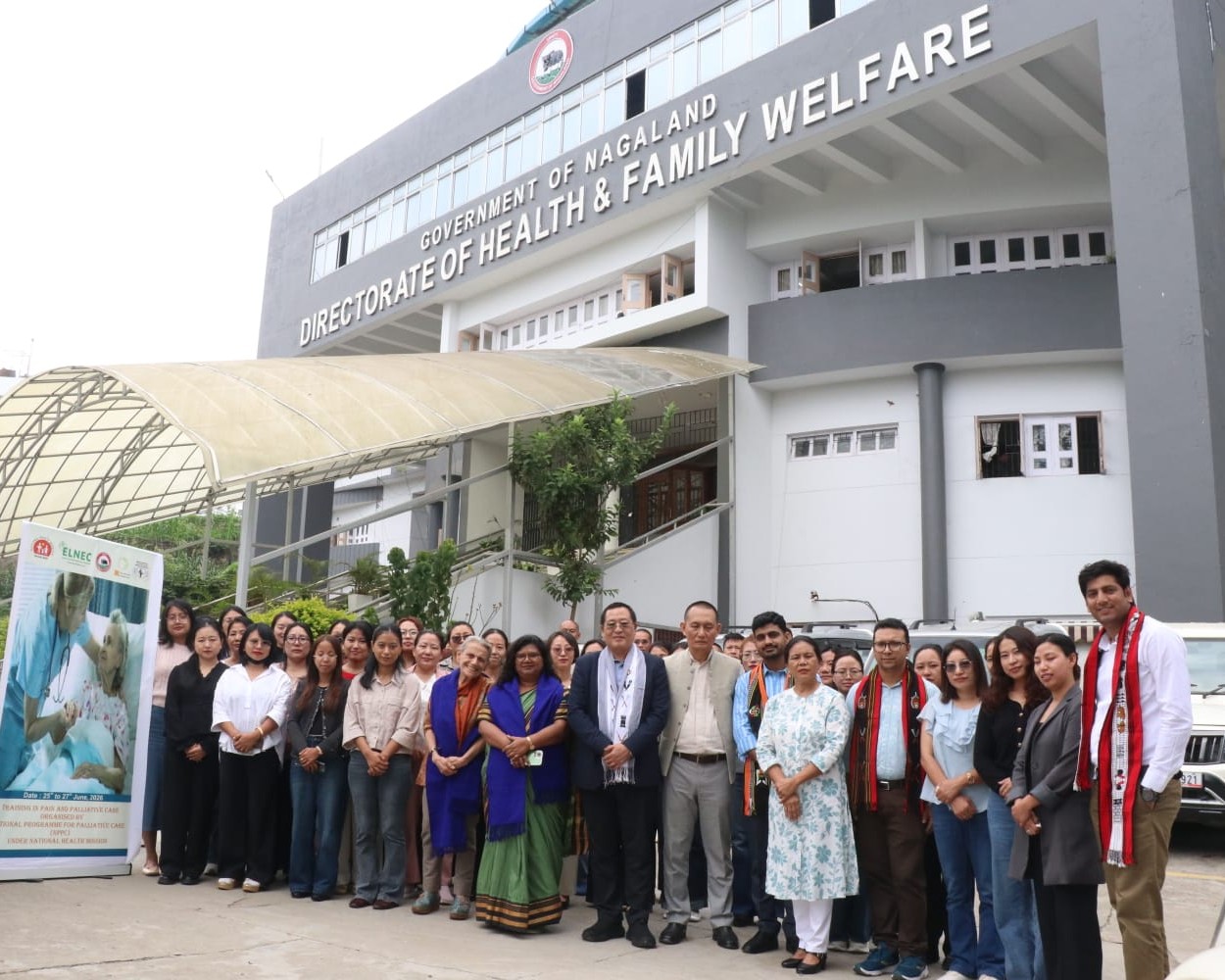
A three-day State-Level Training Programme on Palliative Care for nurses and physiotherapists was conducted in Kohima, Nagaland, from 25–27 June 2026 under the National Programme for Palliative Care (NPPC). The programme brought together 47 nurses and physiotherapists from across the state with the aim of strengthening the capacity of healthcare professionals to provide quality palliative care services.
Organised by the National Health Mission (NHM) and the Department of Health and Family Welfare (DHFW), Government of Nagaland, the training was facilitated by faculty from AIIMS New Delhi and AIIMS Jodhpur.
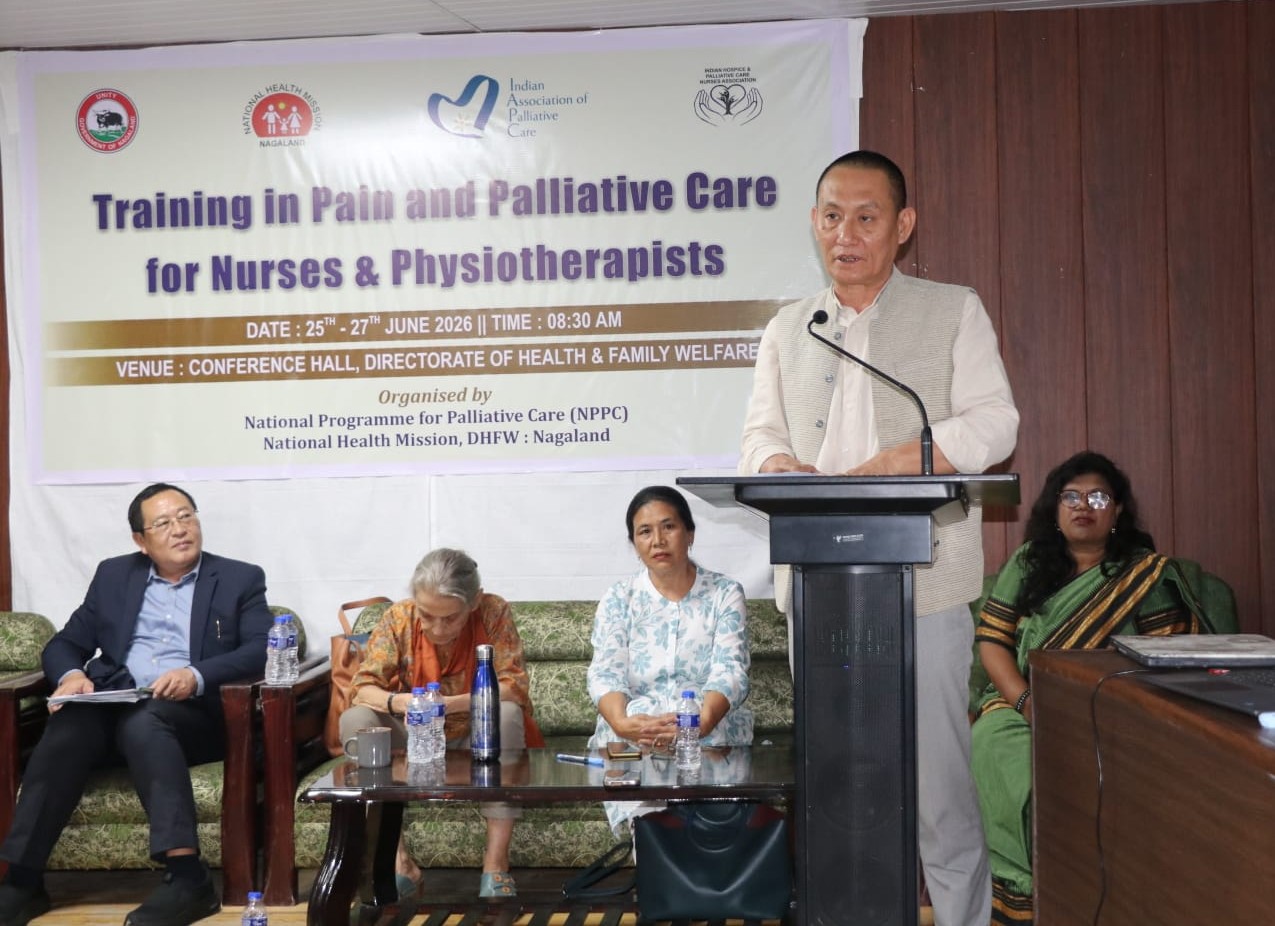
Addressing the inaugural session, Dr Keveduyi Theyo, Mission Director, National Health Mission (NHM), Nagaland, highlighted the increasing need for palliative care in view of the growing elderly population and the rising burden of non-communicable diseases. He emphasised the need for structured training programmes in palliative care to strengthen the capacity of healthcare professionals across the state.
The training programme was conceptualised and organised through the efforts of Dr Imnakum (Joint Director and State Programme Officer (NPPC), DHFW, Nagaland), and Dr Obangjungla (former Joint Director, Department of Health and Family Welfare, Nagaland, and Executive Committee Member, IAPC.)
The initiative is part of Nagaland’s ongoing efforts to expand palliative care services and build a skilled healthcare workforce. Officials noted that palliative care units have already been established in several districts, with further expansion planned.
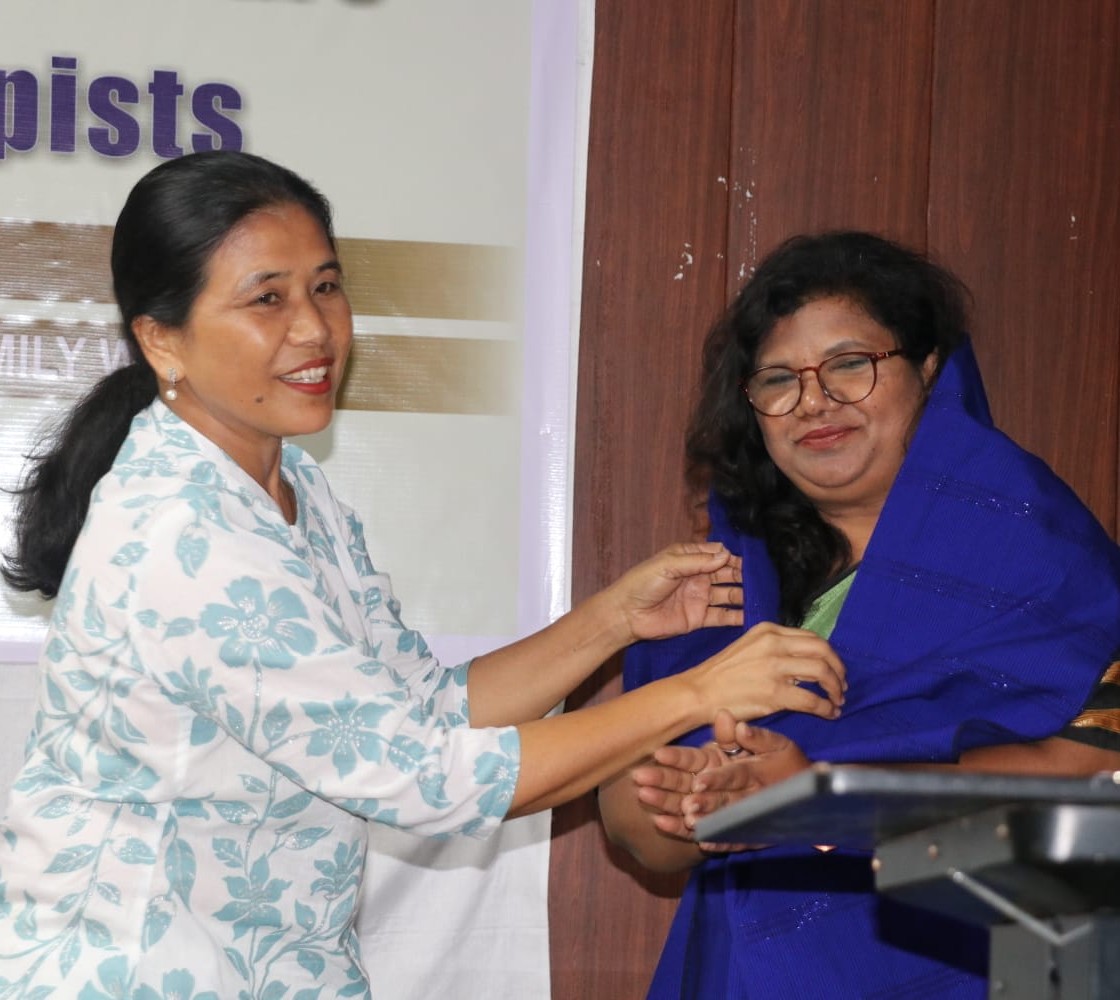
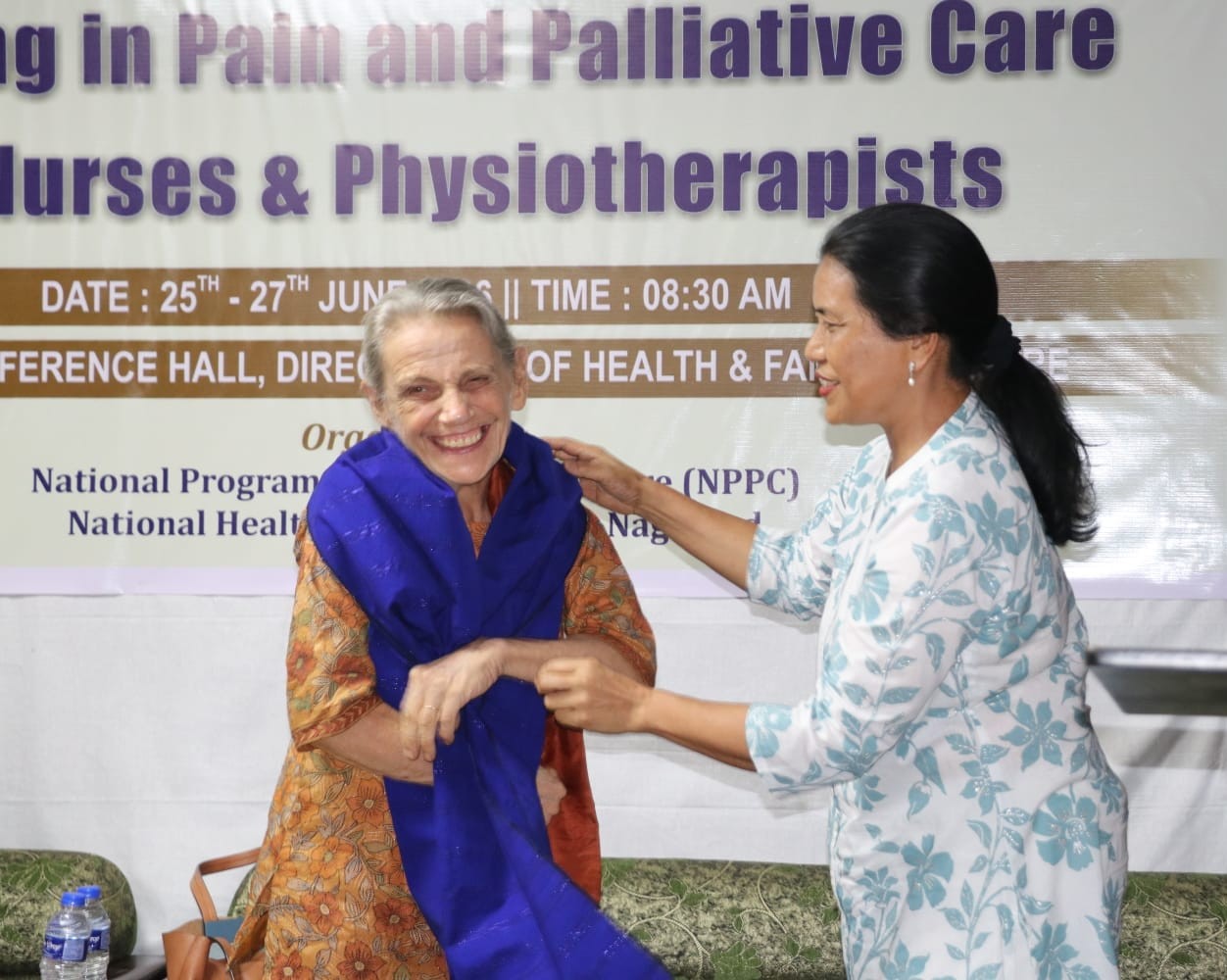
Faculty members Sr Hanife MacGamwell and Ms Nileema were felicitated during the programme in recognition of their valuable contributions.
The programme was supported by the Asia Pacific Hospice Palliative Care Network (APHN) and the Cancer Treatment Centres of India (CTC India) Programme.
SIMGLOBE 2026 Simulation Workshop in Palliative Care Concludes Successfully in Bengaluru
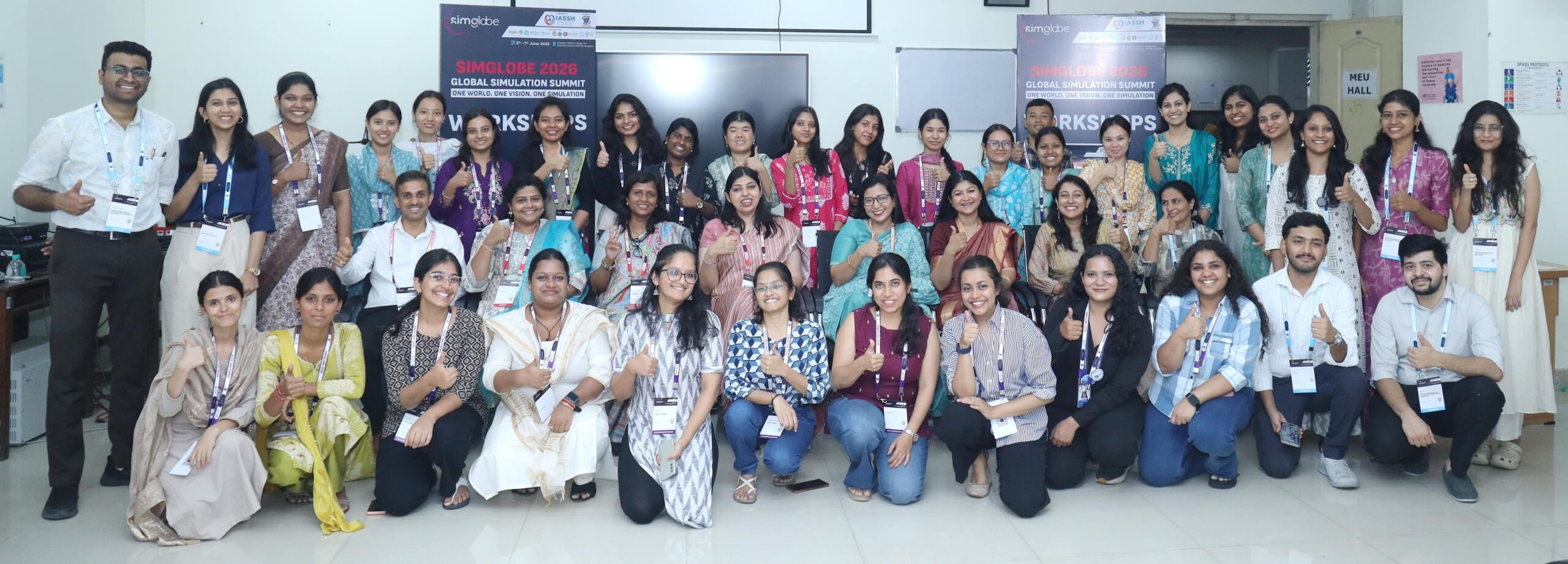
As part of SIMGLOBE 2026 – Global Simulation Summit, the Simulation Workshop in Palliative Care was successfully conducted at the Bangalore Medical College and Research Institute (BMCRI) on 7th June 2026. The workshop was designed to demonstrate the transformative role of simulation-based learning in enhancing clinical competence, along with communication skills among healthcare professionals involved in palliative care. It received an overwhelming response, with more than 30 participants from various healthcare disciplines taking part. Due to the high demand, registrations were closed early after all available seats were filled.
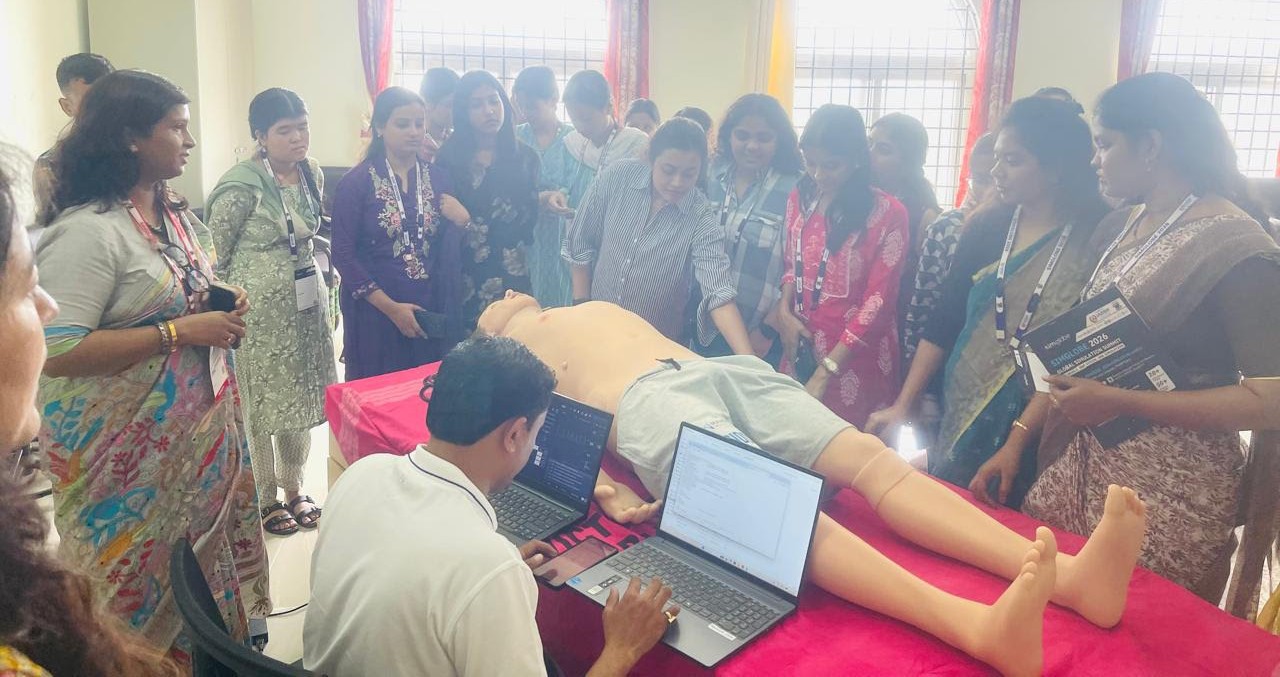
The workshop was led by an experienced faculty team comprising Dr. Sushma Bhatnagar, Dr. Deepa K. Khurana, Dr. Anjali Kochhar, Dr. Dimple Pande, Dr. Manisha, Dr. Soumya Rohit, Dr. Madhumala R., and Dr. Harshvardhan. Participants explored key aspects of palliative care including pain management, communication skills, ethical challenges, and management of palliative emergencies through realistic simulation exercises.
The workshop received excellent feedback, with attendees describing it as engaging, relevant, and highly beneficial for their clinical practice. The focus on empathy, communication, and patient-centred care was particularly well received.
The organizing team expressed its sincere gratitude to all faculty members, participants, and supporters who contributed to making the workshop a meaningful and memorable learning experience.
Guest Lecture on Withholding and Withdrawing Life Support Measures Held at DMC&H, Ludhiana
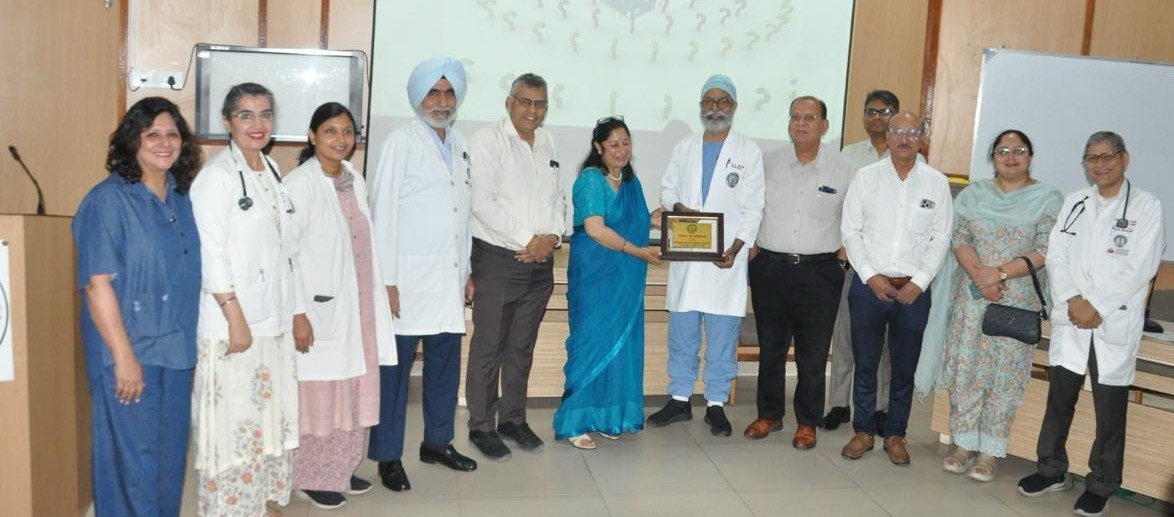
A guest lecture on withholding and withdrawing life support (WH/WD LS) measures was organised at Dayanand Medical College & Hospital (DMC&H), Ludhiana, on 12th June 2026. The lecture was delivered by Dr Savita Butola (Medical Superintendent, Composite Hospital, Srinagar.)
Around 200 faculty members and postgraduate students, including the Principal, Medical Superintendent, and Dean (Academics) of DMC&H, attended the session held at the Dumra Auditorium. Dr P. L. Gautam (Professor and Head, Department of Critical Care, DMC&H), presented a brief introduction to the topic highlightinng the current scenario and the hospital’s existing practices in end-of-life (EoL) care. The session was chaired by distinguished faculty members Dr G. S. Brar (Professor and Head, Department of Surgical Oncology), (Dr Gautam Biswas (Professor and Head, Department of Forensic Medicine), and Dr Amanpreet Kaur (Nodal Officer, Palliative Care, Civil Hospital, Ludhiana),
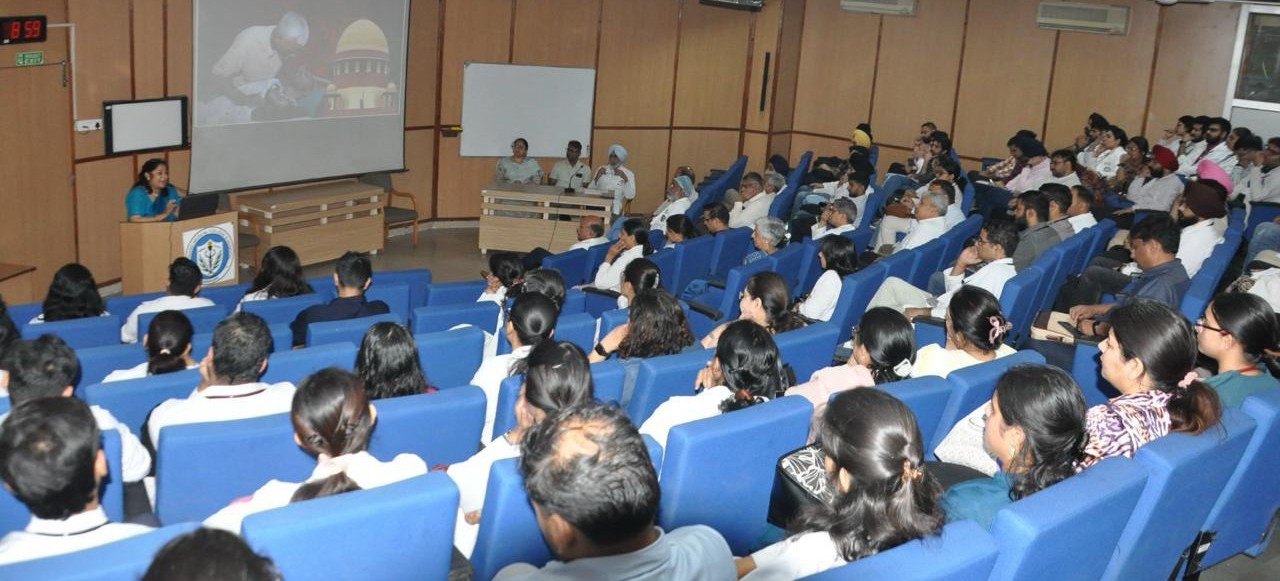
Dr Butola delivered a comprehensive presentation on the ethical, legal, and clinical aspects of decision-making at the end of life, with particular reference to the recent Hon’ble Supreme Court of India judgment in the Harish Rana case. She discussed the challenges involved in end-of-life decision-making, symptom management, and the recommended pathway for implementing withholding and withdrawing life support measures in accordance with current legal directives.
The lecture was followed by a one-hour virtual interaction with Dr Dhvani Mehta, lead counsel in the Harish Rana case. The discussion was attended by members of the DMC&H legal cell and senior faculty, with a focus on developing a hospital policy for end-of-life care in line with the Hon’ble Supreme Court’s directives.
The interactive session also explored the progress made by states such as Karnataka, Maharashtra, and Goa in developing state-specific policies and guidelines on withholding and withdrawing life support measures at the end of life.
Namma Clinics Medical Officers in Bengaluru Receive Training in Neuropalliative and Supportive Care
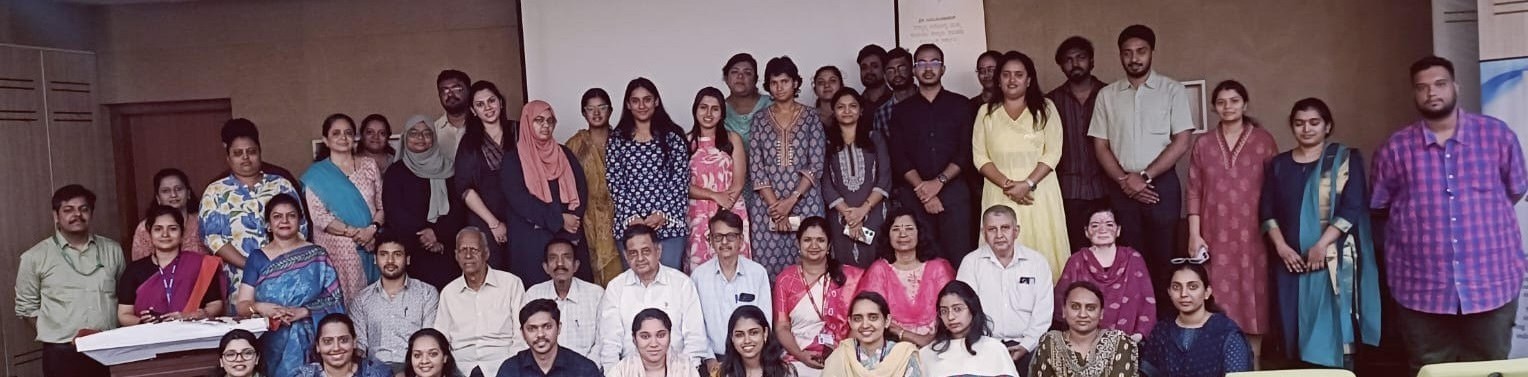
A one-day training programme on Palliative and Supportive Care for Neurological Conditions was conducted on 22nd June 2026 in Bengaluru for 42 Medical Officers from Namma Clinics. The programme was organised by SANTVANA – Neuropalliative and Supportive Care, NIMHANS, in collaboration with the Dr Shyama Narang Foundation and the Government of Karnataka. The programme was coordinated by Dr Priya Treesa Thomas.
The training aimed to enhance the knowledge and skills of primary care physicians in providing comprehensive care for individuals living with neurological conditions. Sessions covered a broad range of topics, including the principles of palliative care, supportive care needs in neurological diseases, symptom assessment and management, neuropalliative nursing care, management of speech and swallowing difficulties, psychological aspects of dementia and caregiver support, psychosocial issues and communication in neurological illnesses, and the importance of brain health and available neurological care services in Karnataka.
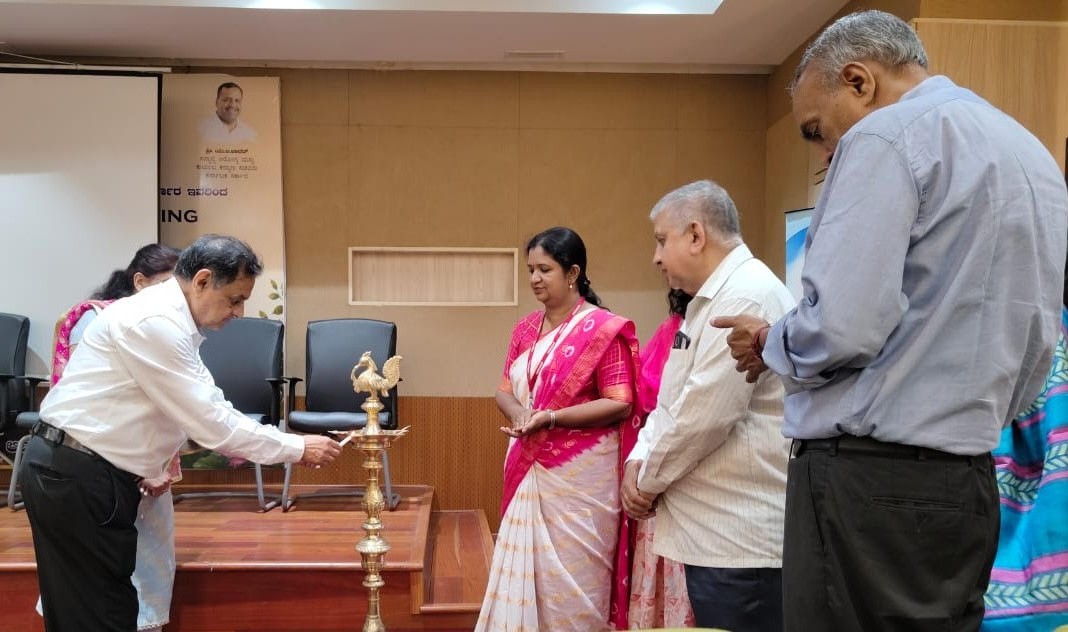
The programme provided an interactive platform for participants to better understand the multidimensional needs of individuals with neurological conditions and their families. The medical officers actively engaged in discussions on delivering holistic, person-centred, and family-oriented care.
This initiative marks an important step towards strengthening neuropalliative care services at the primary healthcare level. Similar training programmes are planned for Medical Officers from Namma Clinics across Karnataka.
Implementation Science Workshop on Integrated Palliative Care in the ICU Held in Bengaluru
The three-day workshop, Implementation Science: Building Systems for Integrated Palliative Care in the ICU, was conducted from 26 to 28 June 2026, in Bengaluru. The workshop was jointly organised by the Department of Pain and Palliative Medicine and Supportive Care and the Department of Critical Care Medicine, St. John’s Medical College Hospital, in collaboration with the University of Pittsburgh. The workshop aimed to strengthen participants’ understanding of implementation science and equip them with practical skills to translate evidence into routine clinical practice in intensive care and palliative care settings.
The workshop was conceptualised and organised by Dr. Nandini Vallath, Dr. Bhavna Seth, and Dr. Sonali Vaid, and was facilitated by an eminent panel of national and international faculty, including Dr. Anuja Damani, Dr. Ashoo Grover, Dr. Ashwin Udupa, Dr. Bhuvana Krishna, Dr. Divya Shankar, Dr. Garima Chopra, Dr. Gina Piscitello, Dr. Naveen Salins, Dr. Parvathy V., Dr. Pratyasa Padhi, Dr. Prem Mony, Dr. Priya Thomas, and Dr. Somnath Chatterjee, among several other experts.
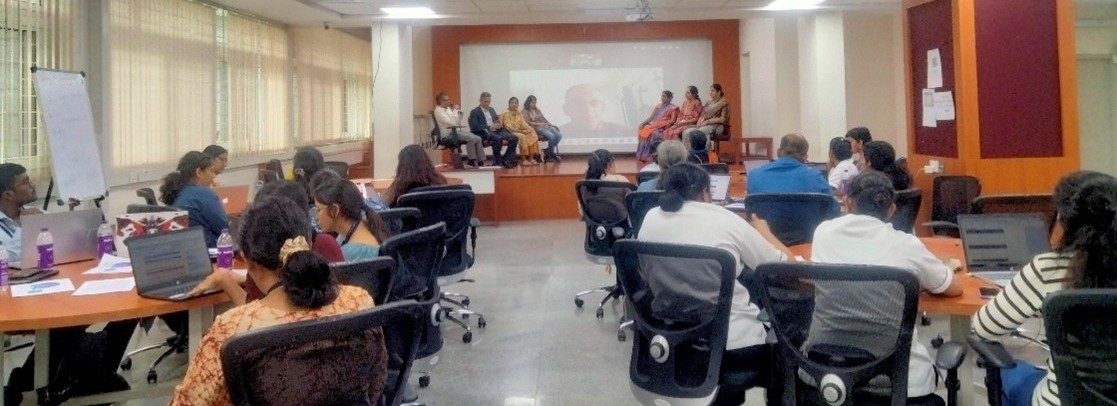
The three-day programme combined expert lectures, panel discussions, case studies, Think–Pair–Share activities, and team-based studio sessions. The 37 participants represented a multidisciplinary group of intensivists, palliative care physicians, researchers, public health scholars, and allied health professionals.
Over three days, participants explored the principles of implementation science, implementation research priorities, and key frameworks such as CFIR, RE-AIM, and ERIC, gaining practical skills to identify implementation challenges and design evidence-based implementation strategies
Participants particularly appreciated the workshop’s practical, hands-on approach and the opportunity to understand implementation barriers from multiple stakeholder perspectives. A distinctive feature of the programme is its iECHO follow-up series, which provides ongoing monthly mentorship and discussion sessions with faculty to support participants in developing and refining implementation projects. Overall, the workshop was a highly interactive, practice-oriented, and contextually relevant initiative that effectively bridged implementation science theory with real-world clinical practice.
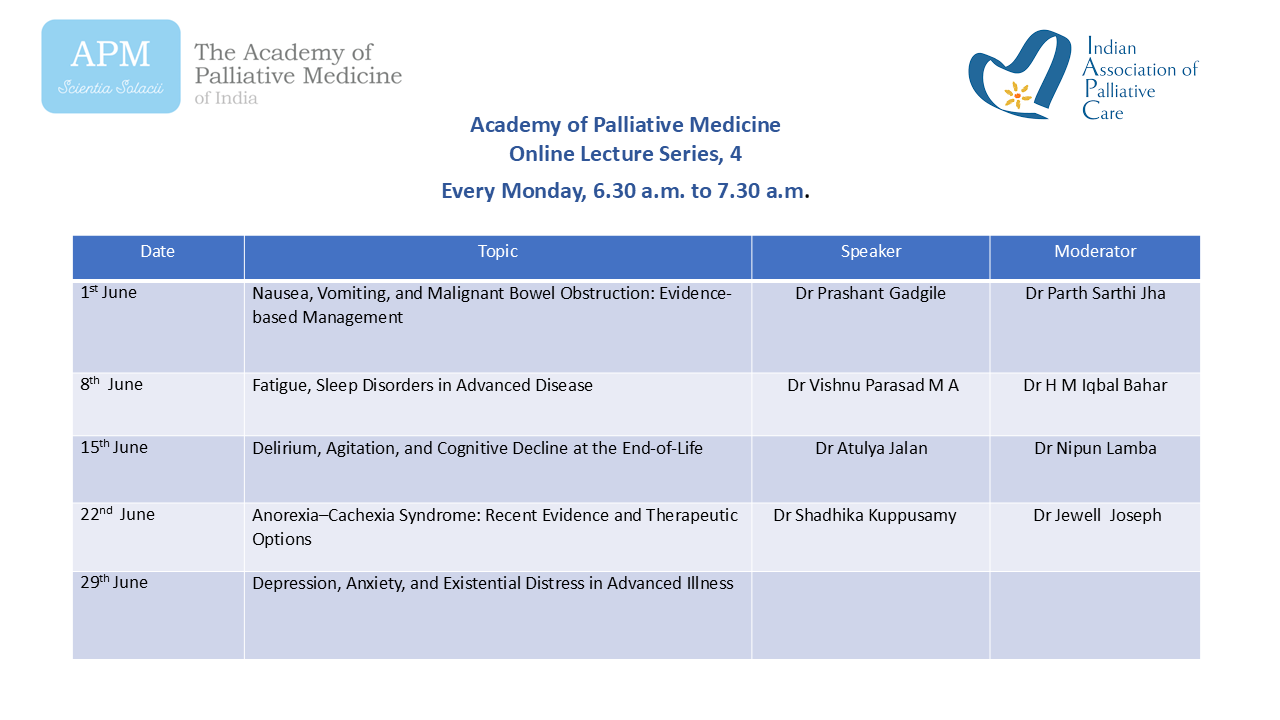
APM’s Lecture Series 4: Sessions Planned for June 2026
We warmly invite you to join the lectures scheduled for June 2026. Details as follows: