


From Pain To Progress: A Rehabilitation Journey After Carcinoma Buccal Mucosa Surgery
– Dr Suman Chauhan, Jodhpur
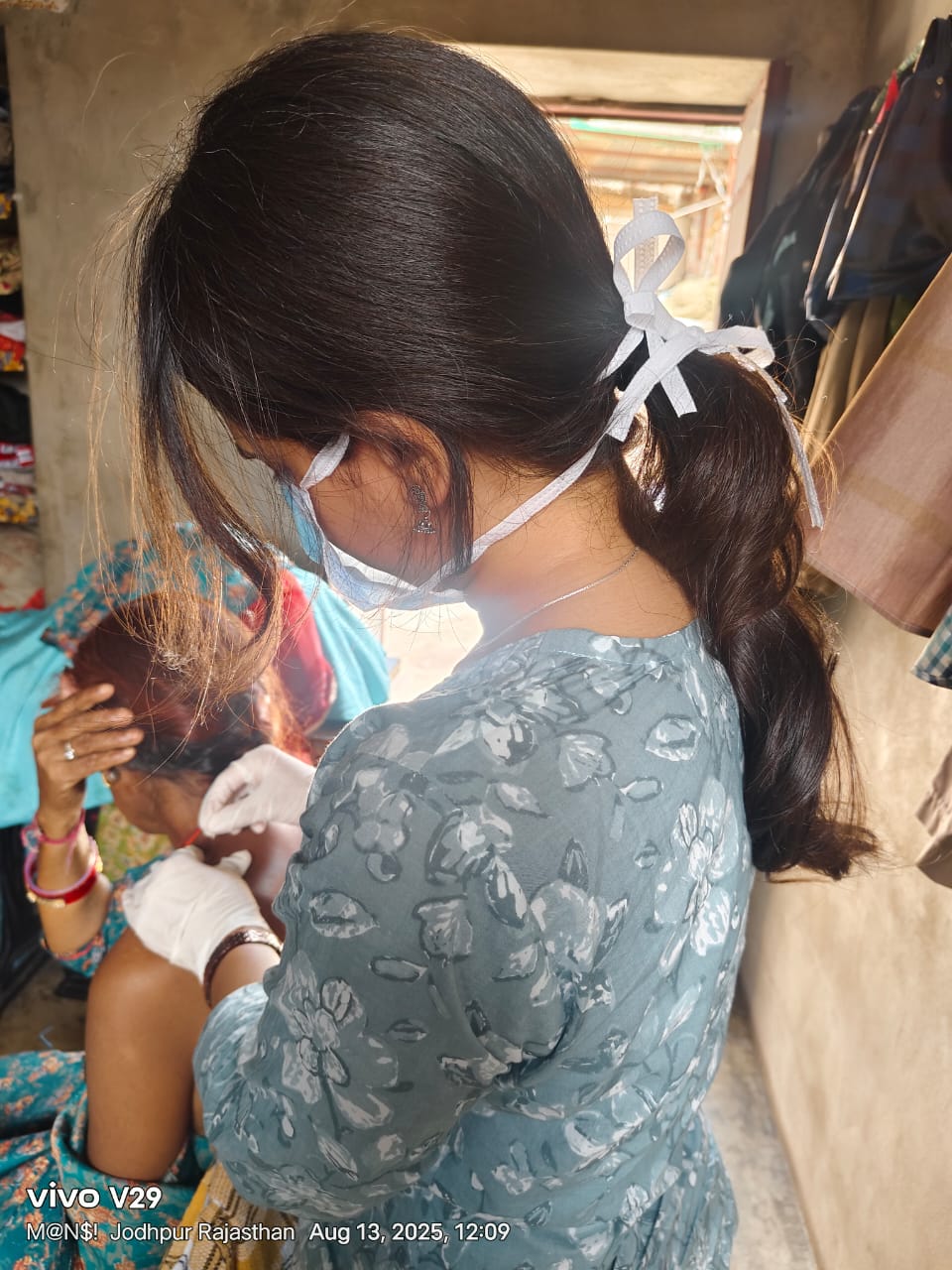
Head and neck cancers and their surgical treatment frequently leave patients with lasting functional impairments that extend well beyond the immediate post-operative period. Reduced mouth opening, shoulder dysfunction, persistent musculoskeletal pain, and muscle spasm are among the most commonly reported complications, significantly affecting a patient’s ability to carry out daily activities and diminishing overall quality of life. In the palliative care context, where the primary goal is to relieve suffering and restore comfort rather than to cure, physiotherapy plays an important and often underutilised role. The following patient with carcinoma buccal mucosa whom I cared for the value of physiotherapy intervention in managing refractory post-surgical musculoskeletal complications.
Physiotherapy is important for pain relief because it addresses the underlying physical causes rather than just the symptoms. It alleviates muscle tension, joint stiffness, and inflammation, which are major causes of discomfort. By correcting movement patterns and restoring normal function, physiotherapy reduces the load on affected tissues and prevents pain from worsening. It also improves blood circulation and supports natural healing processes in the body. Physiotherapy also helps patients mentally by promoting active engagement in recovery, which lowers fear of movement and boosts confidence.
Different physiotherapy techniques to relieve pain include – Dry Needling, Kinesio Taping, Rigid Taping, Manual Therapy, Myofascial Release, Trigger Point Therapy, Joint Mobilization, Muscle Energy Technique (MET), Therapeutic Exercises, Stretching Exercises, Hydrotherapy, and Relaxation Techniques
Dry needling is a technique used by physiotherapists to alleviate muscle discomfort and tightness. When a muscle tightens or forms a painful “knot,” it can restrict movement and cause significant discomfort. By targeting these myofascial trigger points, dry needling helps relieve pain and restore movement. Dry needling has been shown to reduce cancer-related musculoskeletal pain and improves comfort and quality of life. In some patients, it may also help reduce dependence on pain medications.
Case Report: Rehabilitation Management in a Patient with Carcinoma of the Buccal Mucosa
A patient diagnosed with carcinoma of the buccal mucosa in October 2023 underwent surgical management in November 2023. Following completion of acute oncological treatment, the patient was later enrolled in home-based palliative and rehabilitative care on 4th October, 2024.
At the time of registration, the patient presented with multiple functional complaints, including reduced mouth opening, persistent pain, and muscle spasm involving the trapezius, rhomboid, and pectoral regions. These symptoms were significantly affecting daily activities and overall quality of life. Despite being on prescribed analgesic medication, the patient reported inadequate pain relief, with ongoing discomfort and muscular tightness.
Considering the refractory nature of pain and muscle spasm, a physiotherapy-based intervention was planned. The treatment approach included dry needling therapy targeting the involved myofascial trigger points, along with gentle therapeutic exercises aimed at improving muscle flexibility, reducing spasm, and enhancing functional mobility.
The first dry needling session was conducted on 16th June, 2025, followed by two additional sessions at 15-day intervals. Throughout the treatment course, the patient was closely monitored for pain intensity, muscle tone, and functional improvement.
After three sessions, the patient reported significant relief in pain and muscle spasm, along with improved comfort during daily activities. The response to intervention was positive, indicating the effectiveness of dry needling combined with exercises in managing post-surgical musculoskeletal complications in head and neck cancer patients.
Incorporating physiotherapy-based interventions can offer meaningful relief in patients with post-surgical musculoskeletal pain that has not adequately responded to pharmacological management alone. The improvement seen across three sessions in this patient underlines the importance of timely physiotherapy referral as part of a comprehensive palliative and rehabilitative care plan. For patients living with the long-term consequences of head and neck cancer treatment, addressing physical function is inseparable from addressing quality of life. Integrating physiotherapy into home-based palliative care not only manages symptoms but restores a sense of control and capability to patients who may otherwise feel defined by their limitations.
About the Author:

Dr. Suman Kanwar Chauhan has been serving as a Palliative Care Physiotherapist in the Home-Based Palliative Care Unit at the All India Institute of Medical Sciences (AIIMS), Jodhpur, since 2023. She is a Certified Palliative Care Physiotherapist and holds a specialisation in Neurodevelopmental Therapy (NDT).




Leave a comment