


My journey with palliative care so far: Reflections of a young nurse
– Mr Samim Reja Biswas, Bengaluru
Beginning My Career in Palliative Care
When I joined Karunashraya, I did not have a clear idea of what palliative care involved in practical terms. Like many healthcare professionals, my understanding was limited to basic definitions learned during training. I knew that palliative care was meant for patients with serious or life-limiting illnesses, but I was not prepared for the reality of caring for patients in advanced stages of disease.
On my first day itself, I encountered patients with advanced-stage cancers, many of them in the fourth stage. These patients were experiencing severe pain, extreme weakness, and total dependency. Some had large, malodorous wounds, and others were suffering from complications that were difficult to manage. Along with the patient’s suffering, I also saw the emotional distress of family members who were struggling to accept the situation. For the first few days, these experiences were deeply disturbing for me.
Initial Emotional Impact and Adjustment
The early phase of my work in palliative care was emotionally challenging. After returning from duty, I often found myself thinking about the patients I had seen and the conditions they were in. Seeing death closely and frequently was something I had not experienced before. I questioned myself about whether I would be able to continue in this field and whether I was mentally strong enough to face such situations on a daily basis.
I realized that palliative care required not only clinical skills but also emotional stability and self-awareness. Before being able to support patients and families, I needed to learn how to manage my own emotions. This adjustment period was not easy, but it was necessary. Gradually, I learned to prepare myself mentally before each shift and to remain focused on my responsibilities while still being empathetic.
Understanding the Purpose of Palliative Care
As I spent more time in this field, I made an effort to understand what palliative care truly aims to provide. I learned that the goal is not to cure the disease but to improve the quality of life of patients who are living with serious illness. This care extends not only to the patient but also to their families and caregivers.
Palliative care focuses on relieving pain, managing symptoms, providing emotional support, and addressing psychological and spiritual concerns. It emphasizes dignity, comfort, and respect, especially when curative treatment is no longer effective. Understanding this purpose helped me make sense of the difficult situations I was witnessing and gave direction to my work.
Learning Through Practice and Experience
With time, I began to focus more deeply on learning through daily practice. I observed how pain assessment and pain management were carried out and how timely interventions could significantly reduce a patient’s suffering. I learned the importance of proper wound care, infection control, positioning, hygiene, and medication administration in improving patient comfort.
In our inpatient department, we admit patients who often come in very poor condition. Many suffer from severe pain, foul-smelling wounds, infections, and total dependence for basic needs. Initially, managing such cases was challenging, both physically and mentally. However, with continuous care and teamwork, I began to see positive changes.
Witnessing the Impact of Care
One of the most important aspects of my work has been witnessing how appropriate palliative care can improve a patient’s condition, even when the disease itself cannot be cured. With regular wound care, pain management, and supportive nursing interventions, malodour reduces, pain becomes manageable, and patients appear more comfortable.
Families also show visible relief when they see their loved ones suffering less. Many patients and family members have given feedback that pain has reduced and that they feel better supported. These moments reinforce the value of palliative care and the role nurses play in it. They remind me that even small improvements in comfort can make a meaningful difference.
Exposure to Death and End-of-Life Care
Over the past one year and eight months, I have witnessed many deaths. Each experience has been different, and none of them have been easy. End-of-life care requires sensitivity, patience, and respect. Being present during a patient’s final days and supporting families during that time is a serious responsibility.
Through these experiences, I have learned the importance of clear communication, calm presence, and respectful care. I have also learned that nurses in palliative care must accept death as a part of life while still providing the best possible care until the very end. This acceptance does not remove the emotional weight, but it allows me to function professionally and responsibly.
A patient experience that remains very clear in my mind is that of a 65-year-old female patient diagnosed with carcinoma of the breast and ovary. When she was admitted to our ward, she had severe hypercalcemia and was in a state of delirium. She was completely confused, disoriented, and not aware of what she was doing. During that phase, she was not cooperative for any form of care, including basic skin care or personal hygiene. Managing her condition at that time was challenging for both the team and the family.
After admission, the medical team initiated appropriate treatment to correct her calcium levels. All essential medications were administered, and she was closely monitored. Over the next few days, as her calcium levels gradually came down, there was a clear and noticeable change in her condition. Her delirium resolved, her confusion reduced completely, and she became oriented and communicative.
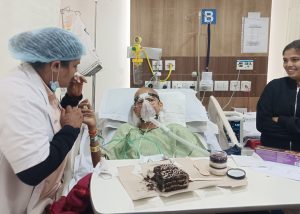
Once she stabilized, her personality came through very clearly. She became friendly, humorous, and emotionally warm. She often addressed us as her sons and daughters, and at times, her interaction was so natural that it was easy to momentarily forget that she was a patient under our care. She was cooperative with all aspects of nursing care and actively participated in her daily routine.
One small but memorable detail about her was her love for food, especially sambar. Although she could not tolerate spicy food, she still enjoyed eating it. Sometimes she would add sugar to balance the spice, even when her eyes and nose would start watering. She would laugh about it and continue eating. These simple moments reflected her strong will to enjoy whatever she could in the present.
While reviewing her case history, I learned that she had eight children, all of whom were established and financially stable. However, none of them were willing to take responsibility for her care. Learning this was personally painful for me. Seeing a mother in the advanced stage of cancer, receiving end-of-life care, without family support was emotionally difficult. Despite this reality, she never expressed bitterness or complaint. She lived in the present, focusing only on her day-to-day comfort and interactions, without dwelling on the past or worrying about the future.
This experience reinforced my understanding of why palliative care is essential. Beyond medical management, patients often need presence, consistency, and human connection. Many patients may not have family support, but through professional and compassionate care, we can still provide them dignity, comfort, and a sense of belonging.
Professional Growth and Motivation
My understanding of palliative care expanded significantly in 2025 when I prepared for the IAPC Gold Medal examination. Until that point, my learning had largely been limited to what I was practicing within my ward setup. While hands-on experience was valuable, I realized during exam preparation that palliative care is much broader and deeper than what I was exposed to in routine clinical work.
As I prepared for the examination, I gained structured and detailed knowledge about pain management, including different types of pain and their assessment. I learned more deeply about the emotional and psychological aspects of patient care, especially how distress, fear, and anxiety affect both patients and families. I also improved my understanding of wound care, bed sore management, control of malodour, maggot-infested wounds, and comprehensive care of bedridden patients.
This learning process helped me connect theory with practice. Many situations that I had been managing intuitively in the ward began to make clearer sense when supported by proper knowledge. I also learned how to address psychological distress more consciously, not just through routine care but through communication, reassurance, and presence.
During this journey, I received strong guidance and support from one of my teachers and the Head of Karunashraya’s Education Department, Ms. Sangeetha Murugan. Her support and guidance played an important role in strengthening my understanding of palliative care and encouraging me to keep learning.
Preparing for the IAPC Gold Medal examination motivated me to look beyond my daily responsibilities and see my profession from a wider perspective. It reinforced the importance of continuous learning in palliative care and contributed meaningfully to my professional growth.
Reflection on My Role as a Nurse
I do not view myself as a perfect nurse, and I do not believe this profession requires perfection. Palliative care nursing demands honesty, willingness to learn, and the ability to face difficult realities. Every day brings new challenges, and every patient teaches something different.
This field has changed the way I look at illness, life, and care. It has made me more observant, more patient, and more grounded. At the same time, it has shown me my own limitations and the importance of continuous learning and self-care.
Looking Ahead
As I continue my journey in palliative care, I aim to further strengthen my skills and understanding. I want to continue providing care that focuses on comfort, dignity, and respect for patients and their families. I also hope to contribute meaningfully to the palliative care team through responsible practice and continued learning.
About the Author:

Samim is a young nurse from West Bengal, working currently at Karunashraya, Bengaluru. He was one of the finalists, securing second place in the Nurses Gold Medal Examination 2026 organised by IAPC at Gujarat.



Leave a comment