


Freedom from Pain Is a Fundamental Right
– Mr K K Basheer, Ernakulam
On 10 October 2026, the world marked World Hospice and Palliative Care Day, highlighting the theme ‘Pain Management: An Essential Component of Palliative Care’, the central message highlighted was “Pain Management: An Essential Component of Palliative Care”. Beyond raising awareness of the need to relieve suffering among people who are bed-bound or living with life-limiting illnesses, the day serves as a global reminder of the importance of access to effective pain relief.
Global Reality and the Indian Context
Effective pain management is an essential component of any healthcare system. Yet, globally, only 14% of people who need palliative care receive it. This crisis is particularly acute in low- and middle-income countries, including India. In India, only 1 – 2% percent of people who require palliative care have access to quality services. Stringent regulations under the 1985 Narcotic Drugs and Psychotropic Substances (NDPS) Act significantly restricted access to morphine, an essential pain medication. Although a 2014 legal amendment simplified these regulations, administrative hurdles continue to delay morphine availability across most Indian states.
The ‘Kerala Model’
Kerala accounts for nearly two-thirds of the people receiving palliative care services in India, reflecting the state’s pioneering progress in this field. Initiated in Kozhikode during the 1990s, the Pain and Palliative Care Society mobilized volunteers and healthcare workers to provide care directly at homes. In 2008, Kerala became the first state in India to formulate a comprehensive palliative care policy, integrating home-care services led by nurses through local self-government institutions and primary health centres with robust community participation. Moreover, by simplifying narcotic drugs regulations as early as 1998, Kerala ensured morphine availability down to the grassroots level and also trained doctors for its effective use.
The Way Forward
A pain-free life and a dignified death are inherent human rights. Achieving this requires making palliative care an integral component of public health policy. Administrative bottlenecks restricting access to essential pain medicines like morphine remain a significant barrier Palliative care professionals have consistently called for practical pain management training to be integrated into MBBS and nursing curricula. This would be an important step towards dispelling misconceptions and reducing hesitation among healthcare providers
Pain management is a shared responsibility that society must build together.
About the Author:

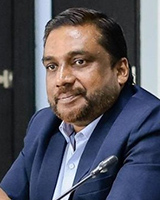
Mr K K Basheer is the State Vice President of the Indian Association of Palliative Care, Kerala and General Secretary of Thanal Palliative Care.



Leave a comment