


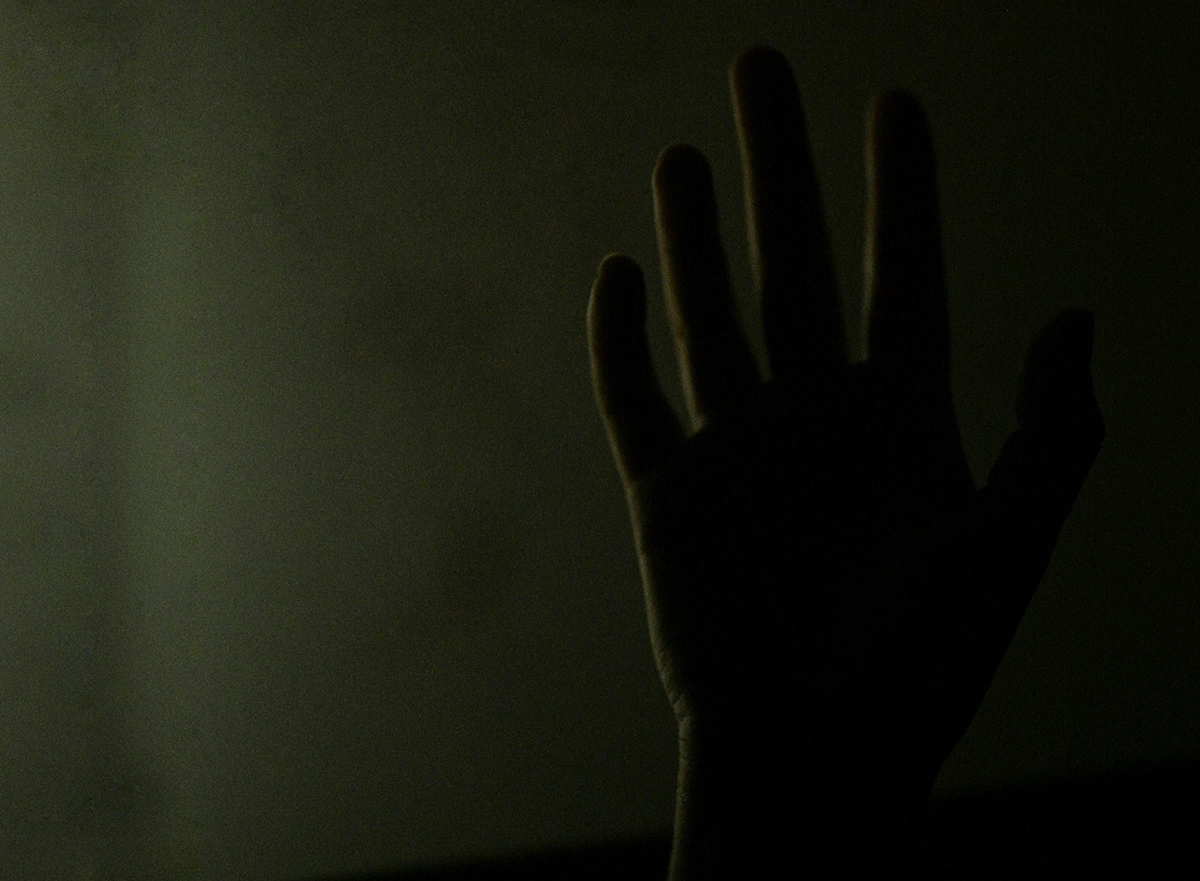
When the Language of Suffering Fails Us: A Clinician’s Reflection
Dr Lipika Patra, Kolkata
Visible injuries are easy to name. A fracture appears on an X-ray; a wound can be dressed. They draw attention, intervention, and often sympathy. What remains less visible is harder to recognise: emotional trauma, grief, and a quieter, more diffuse form of suffering; existential distress. Years of working in palliative care have shaped my understanding of suffering, familiarised me with the language of existential concerns, the importance of self-care, and the professional risk of burnout. Yet when similar forms of distress began to emerge within me, I did not recognise them in time. What I had learned from my patients, I had not fully applied to myself. In clinical spaces, suffering is often approached through a biomedical framework, where symptoms are assessed, diagnoses are made, and treatments are offered. However, not all suffering can be measured or resolved. Knowledge about suffering may guide us, but it does not protect us from experiencing it. This reflection is not offered as a solution, but as an invitation to clinicians, caregivers and readers to pause, to listen more deeply, and to recognise existential distress as a legitimate dimension of human suffering; one that may support a more comprehensive, person-centred approach to care, including our own.
The Mask of “Normalcy”: When Distress Remains Unseen

After many medical visits and quiet spiritual conversations, someone finally gave my suffering a name: an existential crisis. Not depression. The label did not bring relief; instead, it deepened my confusion. I avoided consultations in my hospital, not because I doubted the value of treatment, but because I feared being seen. I was worried about privacy, about my diagnosis whispered in corridors or recorded in files. I began taking prescribed medications and attending psychotherapy sessions. I also began to lie, a different story for every appointment. I used ‘silence as my coping mechanism’ so that I can hide my pain behind a “mask of normalcy,” but it was creating a deep, internal conflict within.
Despite inner distress, I continued to meet professional and personal expectations. I remained a clinician, a caregiver, a mother, a daughter, and a partner. Each role demanded emotional presence and competence. I worked in a state of “functional freeze” performing tasks, fulfilling responsibilities, but without emotional connection. Somewhere between these roles, I tried to carve out time for myself: for reflection, therapy, and healing. Caregiving, however, does not come with days off. And I recognized a difficult truth: when a person appears outwardly “normal,” their inner suffering is easily overlooked or underestimated. The world believes what it sees, not what it feels.
When emotions accumulate without a place to go, they often seep into the body and spirit. This is the quiet, unsettling moment when one asks, Is this really my life? Such questioning does not arise because something has gone wrong, but because something within us is ready to change. My own experience has led me to understand that an existential crisis is neither failure nor flaw. It is a pause. A turning inward that calls for listening rather than fixing.
Although not formally classified as a psychiatric disorder, existential crises follow recognizable patterns of questioning, and emotional struggle, often emerging from deeply meaningful life events. From a clinician’s perspective, this raises an important ethical and practical question: when is suffering a symptom to be treated, and when is it a life experience to be witnessed? Patients who appear composed, articulate, and high functioning may still be carrying profound inner distress. The absence of visible dysfunction does not equate to the absence of suffering.
The Burden of Self-Care: Between Preaching and Practicing

I do not attempt here to outline strategies for managing an existential crisis, because I am still living through one. Although I was aware of my distress, I was unable to cope with it. Some days I feel clearer than others. I had not looked closely at my own face for months because when I do, I feel exposed, and tears begin to fall. I maintained a brave smile, yet feared even a simple hug, knowing that a moment of affection might break my silence and expose my distress. I began to keep a physical distance from loved ones. That distance, paradoxically, brought temporary relief. One truth I have experienced is this: when you are kind-hearted, approachable, and emotionally available, your own inner life often becomes more complicated. There is little space or time left for yourself. You are expected to explain a change in facial expression, questioned if you rest, noticed if you eat less or sleep poorly. Over time, even genuine concern from loved ones can begin to feel burdensome rather than supportive. What I am learning is that “gentleness is also a form of strength, and healing does not always mean fixing”.
Healthcare professionals are often described as “wounded healers,” confronting their own vulnerability and existential questions while continuing to care for others. Prolonged exposure to suffering, death, and high emotional demands can evoke what has been described as a “desperate cry of the soul,” leading to burnout with a recognisable spiritual dimension. Although self-care is widely discussed in healthcare settings, structured training in recognising burnout, hidden inner trauma, and work-related stress is not always sufficient. As a result, clinicians may continue to function outwardly while silently experiencing exhaustion, moral distress, or loss of meaning in their work. Creating spaces where clinicians can reflect, share vulnerability, and receive guidance may be as important as teaching technical competencies. Demanding roles, caregiving responsibilities, emotional resistance, guilt, perceived selfishness, and lack of time all act as barriers to pursue care of oneself. Importantly, self-care does not require dramatic change; small, consistent, and meaningful practices may be sufficient to sustain resilience over time.
Over months, I felt increasingly overwhelmed. I do not know when I slipped into spirituality. As a doctor, caregiver, and mother, I had learned almost unconsciously to place my own needs last. I am skilled at recognising others’ pain, responding quickly, and holding everything together. In such lives, our own distress often goes unnamed. You are expected or conditioned to stay strong while quietly dissolving inside. The mistake I made was repeatedly telling myself that others are suffering more, and therefore I must manage. In doing so, I forgot that even the most capable hands grow tired. Even those who heal others need a place to rest. Invisible pain still matters. Exhaustion is not failure; it is evidence of prolonged carrying. Caring for others does not require disappearing from one’s own life.
Challenges of Psychotherapy: Lived Realities Beyond the Clinic

Meaningful psychological healing often begins with connection. Although evidence-based psychotherapies are widely promoted, access to effective therapy remains challenging in practice. The process of identifying an appropriate therapist and a suitable therapeutic modality occurs when individuals are already emotionally depleted. Moreover, therapeutic success does not occur in isolation. The real challenge of course, is that we don’t want to appear ‘weak’. So, we camouflage with smiles, busyness, polished answers like, “I’m fine.” Without acknowledgment, validation, and support from family, workplace, and social environment, the impact of psychotherapy remains limited.
My own experience with antipsychotic and antidepressant medications was marked by intense side effects, and adapting to these treatments required emotional and practical support that was not always available. My mental wellbeing was further aggravated by a significant physical health crisis. Surgical menopause following hysterectomy and oophorectomy, profoundly disrupted my emotional equilibrium. Hormone replacement therapy, psychotherapies, persistent insomnia, severe hot flashes, night sweats, and multiple caregiving responsibilities together took a heavy toll on my well-being. I was aware that I am struggling, deeply exhausted, yet I could not see any hope or a sense of renewal. I was often met with familiar refrains: “You need therapy,” “You don’t have to be so sensitive,” “You must practice self-care,” “You are taking everything too personally.” Eventually, I felt depleted. Sleepless nights, self-harm thoughts, and the relentless effort of forced smiling drained whatever strength remained. At times, all I could do was breathe and move forward, holding a quiet hope that, gradually a space might open for a way of living that felt more humane. Over time, I understood that while people may offer concern, few can sustain emotional companionship indefinitely. In this busy world who has the time and energy to constantly motivate you, or walk alongside you without pause? I realized that unless one finds some inner drive, no one else can take complete charge of one’s well-being.
I also found it difficult to overcome my fear and hesitation in speaking openly with therapists. Just because therapy is a professional help and you pay for the session, that does not mean it becomes easier to discuss your painful, embarrassing, or deeply personal experiences. Not every ear deserves your story. Choose wisely, people who are trustworthy, people who wish you well, people who act with wisdom and care, not judgement or gossip. I have also learned that, at times, trusted professionals, compassionate friends, or even insightful strangers can provide the “safe space” to articulate our inner turmoil.
Another crucial, often overlooked dimension of treatment is financial capacity. Psychotherapy sessions and spiritual counselling whether online or in person are significantly more expensive than medication. Webinars, workshops, podcasts, and spiritual retreats can be helpful, but only if one is able to invest sustained attention, emotional energy, and consistent practice over months. I came to understand that it takes courage to attend therapy, and even greater dedication to remain committed to it. If the surrounding or the sources of distress remain unchanged, recovery becomes far more difficult. How many of us can truly afford a conducive environment for mental healing? Gradually, I realised why so many people choose pills over conversations. This reality reveals how time constraints, stigma, and financial limitations play a decisive role in recovery from psychological distress.
A Quiet Note for Those Who Are Struggling
If you are reading this in silence, carrying questions you cannot yet name, please know this; you are not broken. What you are experiencing may not be an illness, but a pause in life when something within you is asking for care. Wondering about the meaning of life is not a sign of weakness; it is often a sign of deep awareness.
Healing does not require urgency; it begins in small ways. I am still learning how to walk this path, slowly and imperfectly. On difficult days, I remind myself quietly, almost like a prayer that I, too, am allowed to rest. My worth is not measured only by how much I can give. I seek for a place where nobody will judge me. I am learning to ask for help without shame, and to receive it without apology. Even confusion can be part of the path forward. I am allowed to choose privacy and still choose healing. And this moment, however heavy, does not define the whole of my life.
Healthcare professionals are trained to diagnose and to fix. Yet existential concerns cannot always be resolved through medication or protocols. I have been told that I am not facing a life-limiting illness, I am not dying; so why, then, the distress? Viktor Frankl’s words resonate here: “Man is not destroyed by suffering; he is destroyed by suffering without meaning.” Despite this, spiritual care remains one of the most neglected components of healthcare systems worldwide. Recovery from existential suffering rarely follows a linear or time-bound trajectory. Rather than a return to a previous state of normalcy, healing often involves a gradual reorientation toward life. For me, writing through articles and journaling became a way to express my hidden emotions and, to some extent, to ease my psychological distress. What I’ve written does more than tell a personal story, it gives language to a kind of suffering that medicine often senses but struggles to name it.
About the Author:

Dr. Lipika Patra is a palliative care physician with 15 years of experience across diverse healthcare and hospice settings in India. An MPH from SCTIMST, Thiruvananthapuram and MSc in Palliative Medicine from Cardiff University, UK, she is passionate about patient education, caregiver support, and palliative care in non-cancer and end-of-life conditions. A native of the State of Odisha, Dr. Patra is currently based at Kolkata, West Bengal.




Leave a comment